
Find Horror Games
Search and filter 24 horror games by genre, platform, and intensity. Find scary games with fear profiles, jump scare ratings, and content warnings.
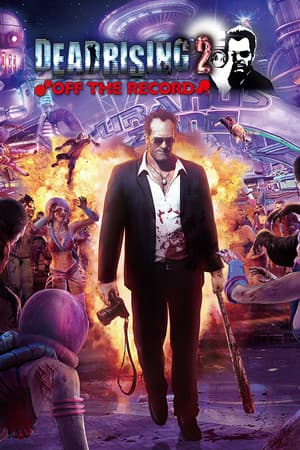
Dead Rising 2: Off the Record
It’s a comedy of errors with teeth: the timer and rescue pressure push you into messy fights where getting grabbed at the wrong moment can domino into failure.
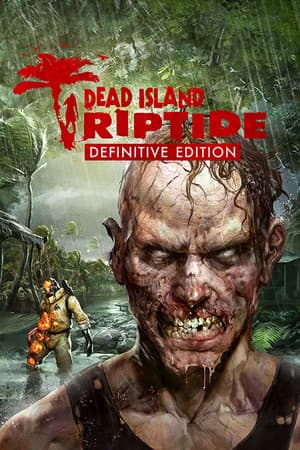
Dead Island: Riptide
The fear comes from the basics: tight spaces, sudden infected rushes, and the constant risk of getting cornered while your stamina and weapon durability fall apart.
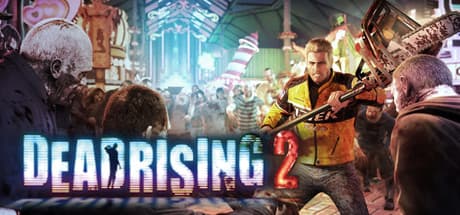
Dead Rising 2
Dead Rising 2 is horror by attrition: dense crowds, tight corridors, and the constant risk of being cornered while you’re juggling objectives. The game’s humor doesn’t remove fear—it masks it, turning every “this is ridiculous” moment into a reminder that you’re still one mistake away from getting torn apart.

Dead Island
Dead Island’s horror is the grind of survival in a place that should be paradise: dead bodies in pools, infected sprinting through hotel corridors, and the constant threat of being swarmed when your weapon breaks. It’s less about scripted scares and more about the brutal, bloody unpredictability of a world that has already lost.
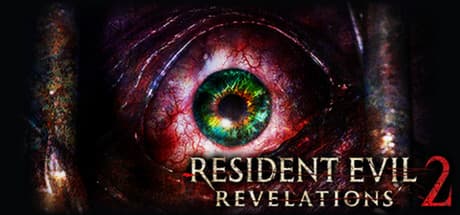
Resident Evil: Revelations 2
Revelations 2 balances survival horror scarcity with sudden cruelty—enemies that refuse to die cleanly, oppressive facilities, and a constant sense that someone is watching. Its co-op design can lull you into teamwork comfort, then yank it away with separated characters and low-ammo desperation.
Resident Evil: Revelations
Revelations weaponizes confinement: long, dim hallways, the constant feeling of being trapped at sea, and enemies that love bursting into your personal space. It’s classic Resident Evil dread—door by door, bullet by bullet—where every detour feels like it might be your last.
Resident Evil 6
The fear in Resident Evil 6 comes less from quiet dread and more from being overwhelmed—tight chases, infected crowds, and grotesque bio-weapons that force constant movement. Its best horror moments hit when you’re low on resources and the game flips from action blockbuster to claustrophobic survival.
Resident Evil 5
Even with the heavier action focus, Resident Evil 5 leans on relentless enemy pressure, grotesque parasite mutations, and sudden ambushes in tight indoor spaces. Co-op can make it feel safer—until your partner is low on ammo, you’re juggling inventory under fire, and the game turns every hallway into a panic drill.
Silent Hill: Downpour
Downpour’s horror is built on persecution and helplessness: you’re not a heroic survivor, you’re a fugitive in a town that turns your past into monsters. The rain-swept streets feel isolating, and the Otherworld sections push you into frantic escapes where fighting is rarely the best option. It’s classic Silent Hill dread: the town doesn’t just want to kill you — it wants to expose you.
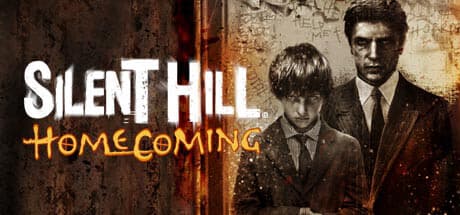
Silent Hill: Homecoming
Homecoming’s horror comes from body horror and punishment themes layered on top of the series’ signature atmosphere. The monsters are grotesque and the environments feel diseased, shifting into fleshy, rusted spaces that look like open wounds. Even when you have weapons, the game keeps you uneasy through oppressive sound design, sudden ambushes, and the constant feeling that the town is judging you.

Condemned 2: Bloodshot
Condemned 2 is scary in a grimy, human way: dark basements, condemned buildings, and fights that feel too close for comfort. The first-person view makes every flashlight sweep tense, and the game's hallucination-heavy moments blur what's real—so even when you're not being attacked, you feel like you should be.
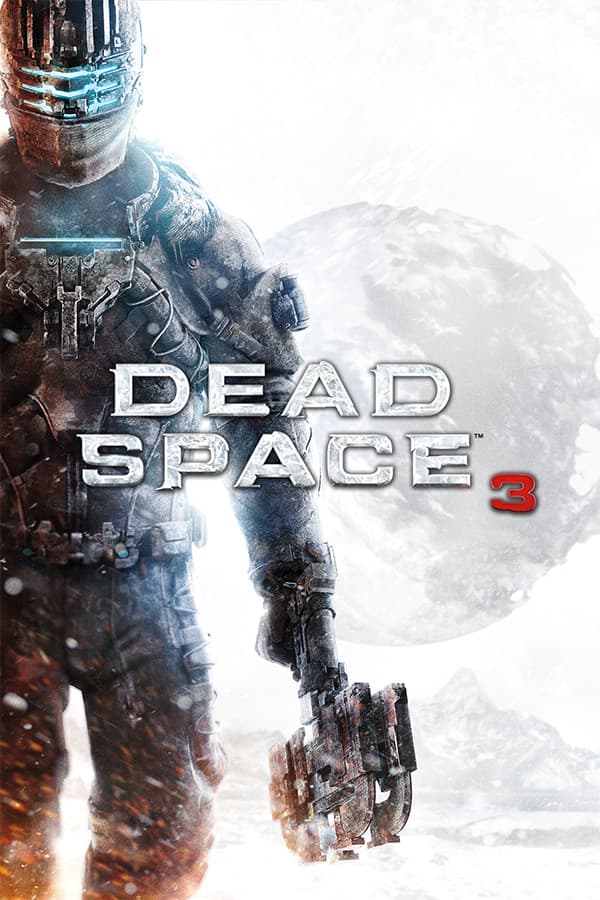
Dead Space 3
The horror in Dead Space 3 comes from being stranded in lethal places—derelict ships, whiteout storms, and cavern systems where you can barely read the space in front of you. Necromorphs are still grotesque up close, and the planet setting amplifies isolation: everything is frozen, dead, and far from help. Even when the game leans more action-forward, the atmosphere stays grim and oppressive.
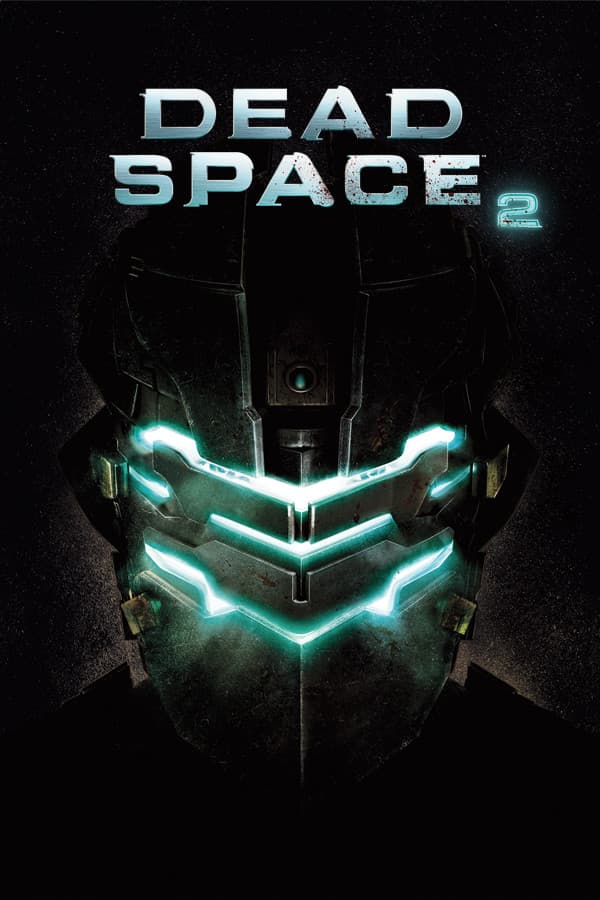
Dead Space 2
Dead Space 2 doesn't just ask you to survive monsters—it makes you doubt your own perception. Between Necromorph ambushes, unsettling civilian areas turned into slaughter zones, and Isaac's worsening psychological state, the game keeps pressure high. When you finally get a moment of calm, it often feels like a setup for the next brutal surprise.
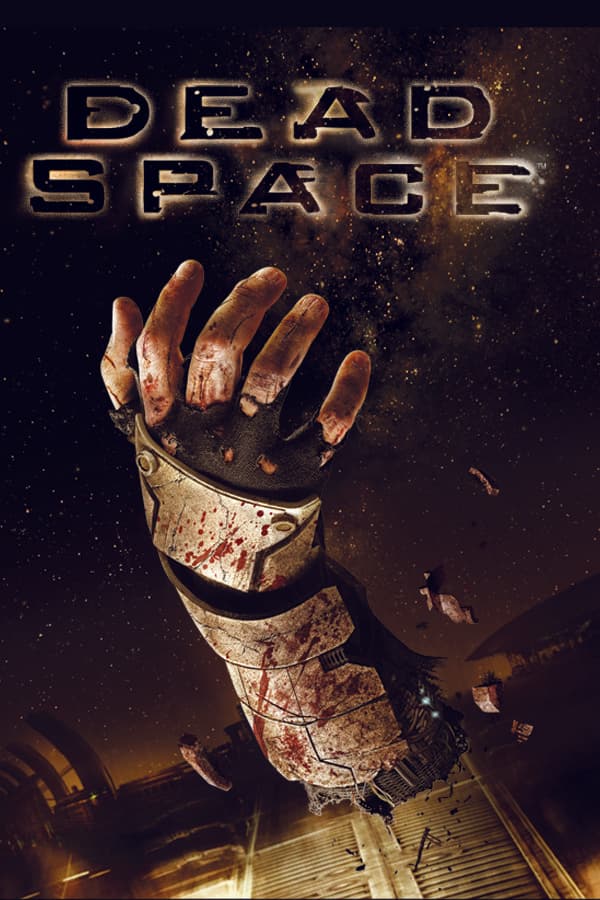
Dead Space (2008)
Dead Space traps you in a steel labyrinth where every hiss, clang, and distant scream could be a Necromorph in the vents. The dismemberment combat makes fights intimate and stressful—you're forced to look at the creature while surgically taking it apart. Add the Ishimura's oppressive audio, flickering lights, and constant isolation, and the game sustains dread even in 'quiet' rooms.

F.E.A.R. 3
F.E.A.R. 3 leans into apocalyptic paranormal chaos—streets buckle, interiors distort, and the game keeps throwing you into situations where you can't tell what's physical damage and what's a psychic hallucination. The scares work because the world feels unstable: even when you're armed, the environment itself is hostile and unpredictable.

F.E.A.R. 2: Project Origin
It keeps you stuck between two kinds of fear: human-scale chaos (heavy combat, desperate escapes) and the feeling that the environment is being rewritten around you by something you can't predict or fight. Alma's presence turns ordinary hallways into dread engines—quiet stretches feel like traps, and when the scares hit, they're timed to break your momentum.

F.E.A.R.
F.E.A.R. weaponizes contrast: one minute you're in a crunchy, tactical firefight—then the lights flicker, the sound design starts lying to you, and Alma shows up to remind you that bullets do not solve everything. The horror lands because it keeps interrupting your sense of control, turning familiar spaces into unpredictable, haunted arenas.
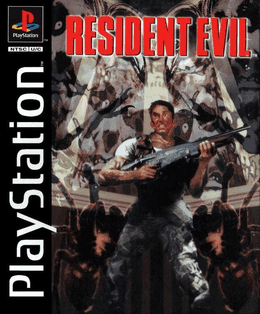
Resident Evil Zero
It is classic Resident Evil tension: constrained space, limited supplies, and enemies designed to punish panic. The two-character system adds pressure when you have to split attention and resources.

Siren: Blood Curse
Sightjacking is useful, but it is also unsettling: you are forced to look at yourself from the monster's perspective, and you learn how close the danger really is.
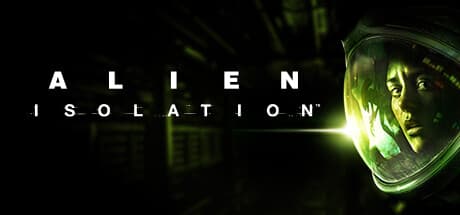
Alien: Isolation
Alien: Isolation features one of gaming's most terrifying antagonists: a Xenomorph driven by adaptive AI that learns from the player's tactics. Hiding in lockers and crawling through vents creates suffocating tension, while the retro-futuristic space station setting perfectly captures the dread of the original 1979 film. The alien cannot be killed, only avoided, making every encounter a desperate fight for survival.
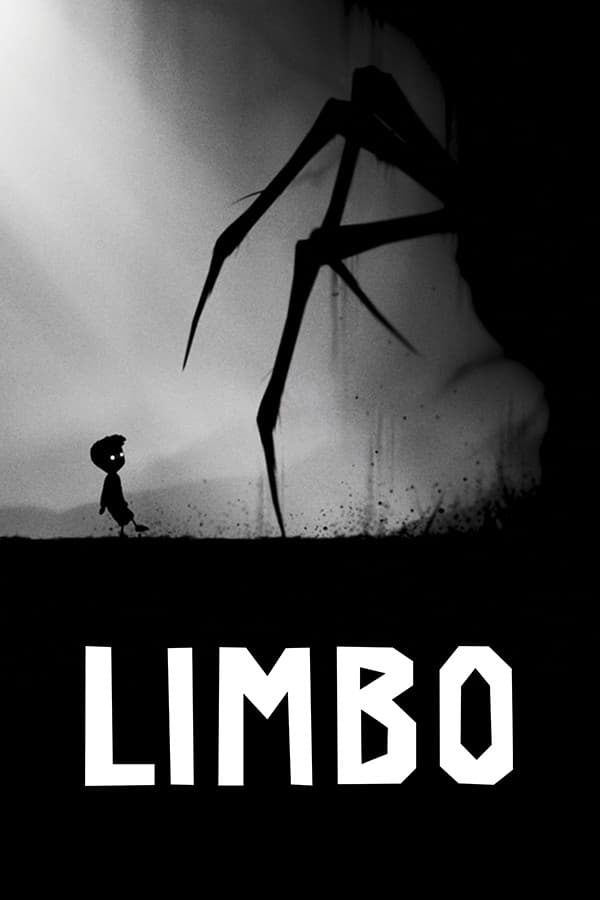
Limbo
Limbo's horror lies in its stark presentation — the pitch-black silhouettes hide threats until it is too late, and the brutal death animations for a child protagonist are shocking. The giant spider encounters and the hostile children create a world that feels actively malevolent.
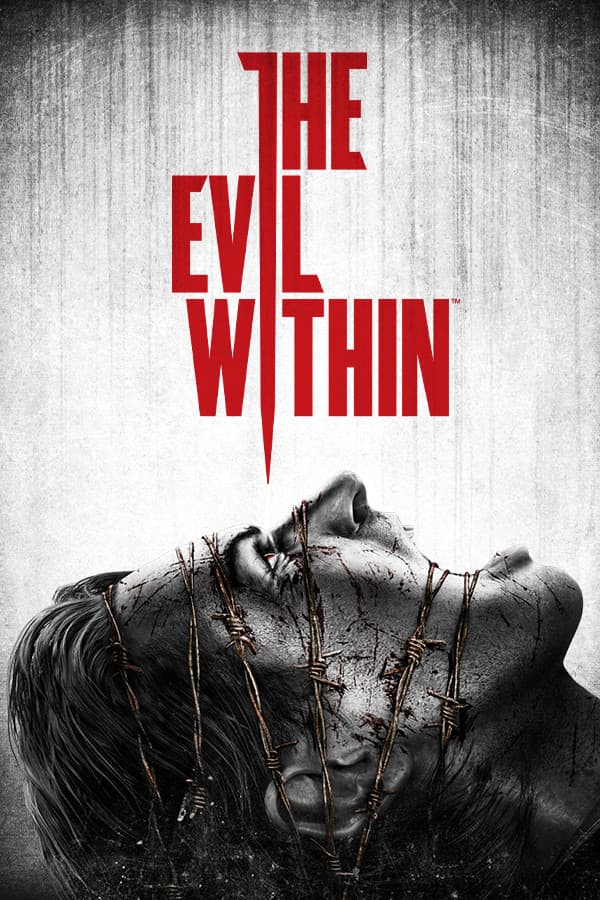
The Evil Within
The Evil Within is Shinji Mikami's love letter to survival horror. The Keeper (Boxman), Laura, and the Sadist are nightmarish boss encounters, and the constant resource scarcity forces difficult decisions. The shifting nightmare world keeps players perpetually off-balance.
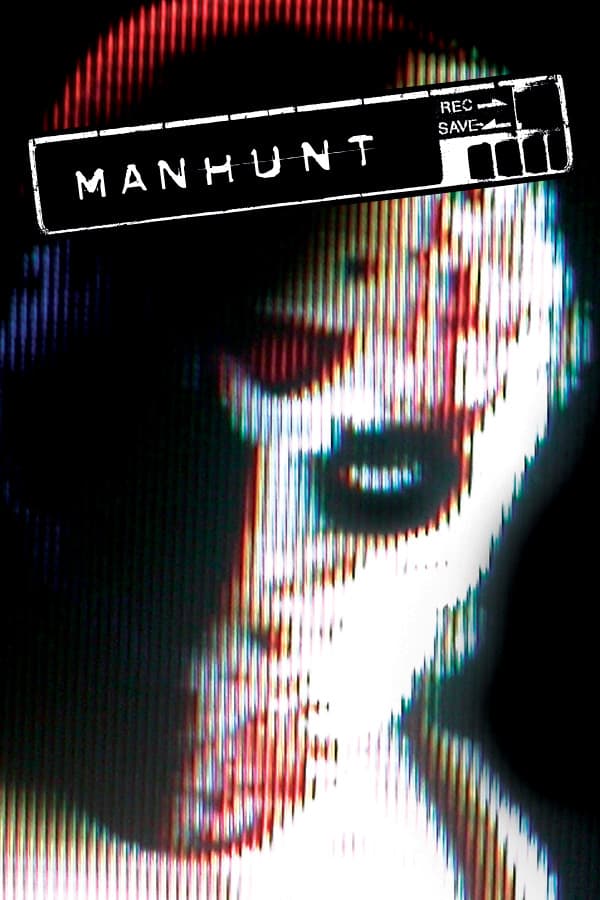
Manhunt
Manhunt's horror is not supernatural but human. Being hunted through dark corridors by sadistic gang members while a voice in your ear urges you to kill is deeply disturbing. The snuff film aesthetic and graphic execution system make the player complicit in the violence.
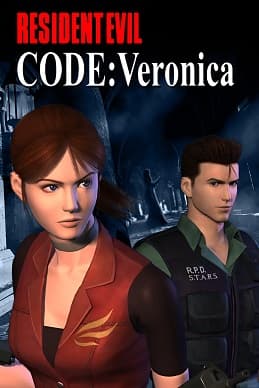
Resident Evil - Code: Veronica X
Code: Veronica X features some of the series' most tense moments, including the terrifying Bandersnatch encounters and the Gothic horror of the Ashford mansion. The Antarctic section's isolation and resource scarcity push the survival horror tension to its limits.