
Find Horror Games
Search and filter 19 horror games by genre, platform, and intensity. Find scary games with fear profiles, jump scare ratings, and content warnings.
Left 4 Dead 2
Left 4 Dead 2’s fear is kinetic—getting separated, hearing a special infected before you see it, and watching your escape route collapse under a wave of bodies. The game turns teamwork into a survival mechanic: the second you stop communicating, the apocalypse cashes the check.
Left 4 Dead
The AI Director makes sure you never get comfortable—ammo dries up, a special infected yanks someone into the dark, and suddenly the plan is gone. Left 4 Dead’s best scares are social: the moment your team fractures and you realize you’re not surviving alone.
DOOM 3
DOOM 3 is basically a haunted house with a shotgun: dim corridors, alarms blaring in the distance, and enemies that love waiting just out of sight. The horror comes from uncertainty—every door you open feels like you’re volunteering to be ambushed in the dark.
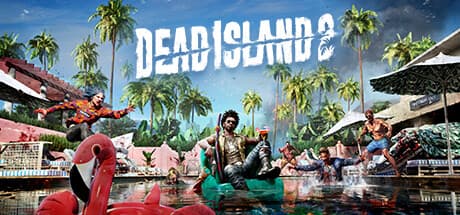
Dead Island 2
Dead Island 2 trades slow dread for relentless proximity horror: shambling bodies turning into sudden lunges, cramped interiors that amplify panic, and grotesque “biomechanical” mutation designs. The gore is so detailed it becomes its own form of discomfort—like the game is daring you to look away.
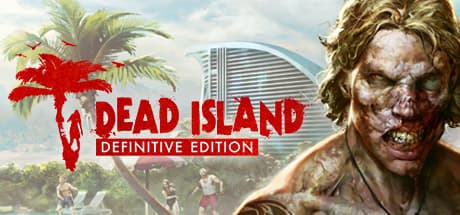
Dead Island
Dead Island’s horror is the grind of survival in a place that should be paradise: dead bodies in pools, infected sprinting through hotel corridors, and the constant threat of being swarmed when your weapon breaks. It’s less about scripted scares and more about the brutal, bloody unpredictability of a world that has already lost.
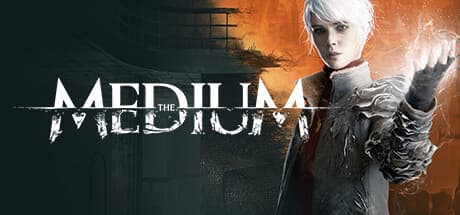
The Medium
The Medium’s horror comes from living in two places at once. Seeing a decayed “real” space alongside a nightmarish spirit reflection makes every room feel unsafe, because there is no single reality you can rely on. The resort setting is drenched in melancholy and dread, and the game builds fear through oppressive sound design, grotesque imagery, and the constant sense that something is stalking you just out of frame. It’s slow-burn psychological horror that leans on atmosphere more than jump scares.
Clive Barker's Undying
The scares come from oppressive environments and sudden supernatural threats, plus the feeling that the estate is a connected web of cursed history you keep uncovering.

Eyes of Hellfire
Co-op horror turns fear into a social problem: miscommunication, distrust, and time pressure amplify the dread. The setting's occult folklore vibes and escalating threats push the group toward panic and betrayal.
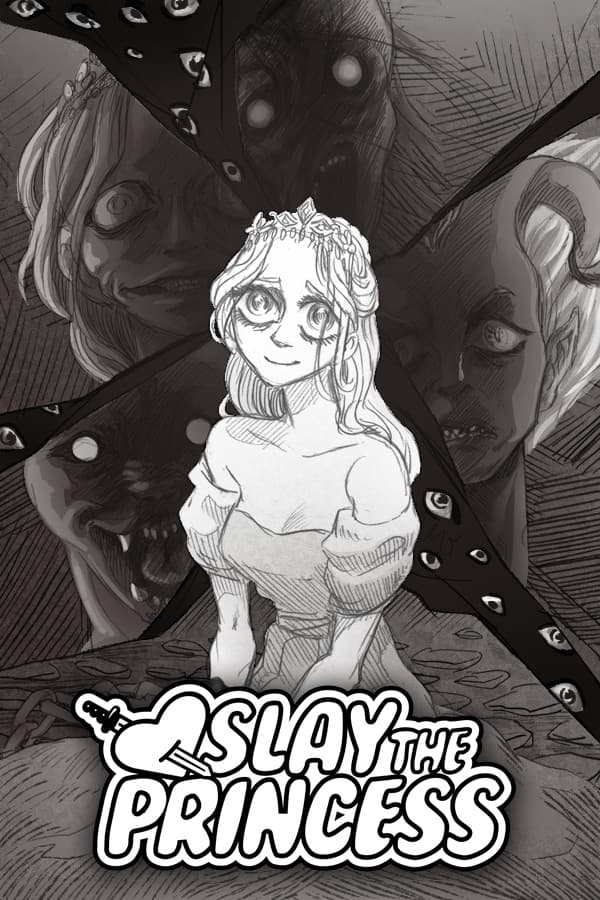
Slay the Princess - The Pristine Cut
Slay the Princess is a psychological horror visual novel built around a simple and suspicious mission: walk down into a basement and slay the princess, or the world ends. From there, everything spirals. Your choices reshape the story, the princess, and even the rules of reality, leading to wildly different paths and endings. It is horror through dialogue, implication, and escalating unease.
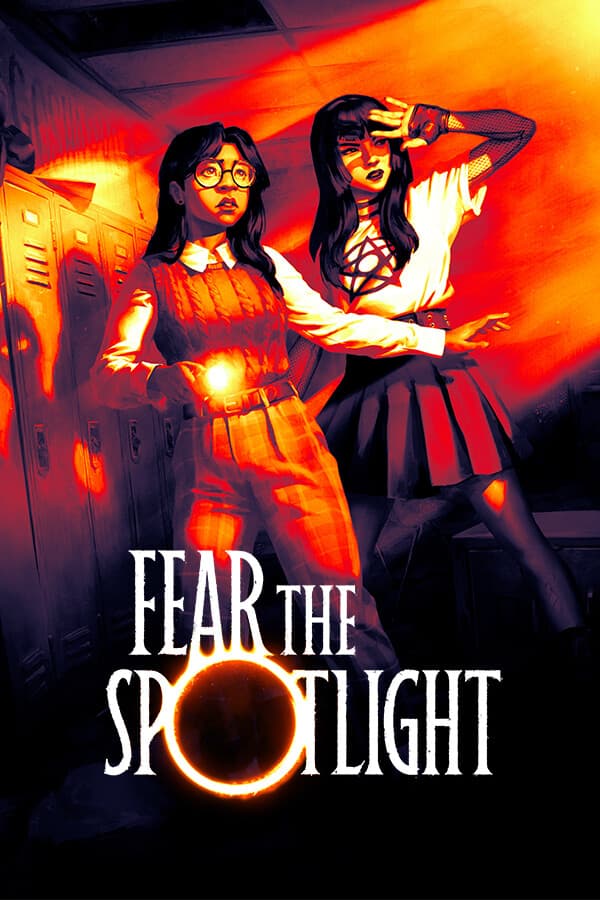
Fear the Spotlight
Fear the Spotlight is an atmospheric third-person horror adventure that blends 90s teen terror with stealth and tactile puzzles. When Vivian sneaks into Sunnyside High after hours to perform a seance with the rebellious Amy, the night goes wrong fast and Vivian is left alone in dark hallways with something stalking the school. You will explore classrooms and backstage areas, solve puzzles, and stay out of the spotlight to survive.
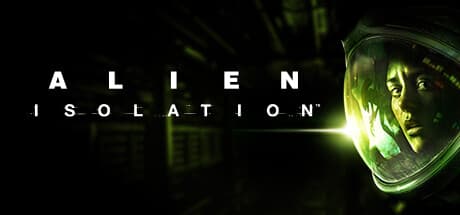
Alien: Isolation
Alien: Isolation features one of gaming's most terrifying antagonists: a Xenomorph driven by adaptive AI that learns from the player's tactics. Hiding in lockers and crawling through vents creates suffocating tension, while the retro-futuristic space station setting perfectly captures the dread of the original 1979 film. The alien cannot be killed, only avoided, making every encounter a desperate fight for survival.
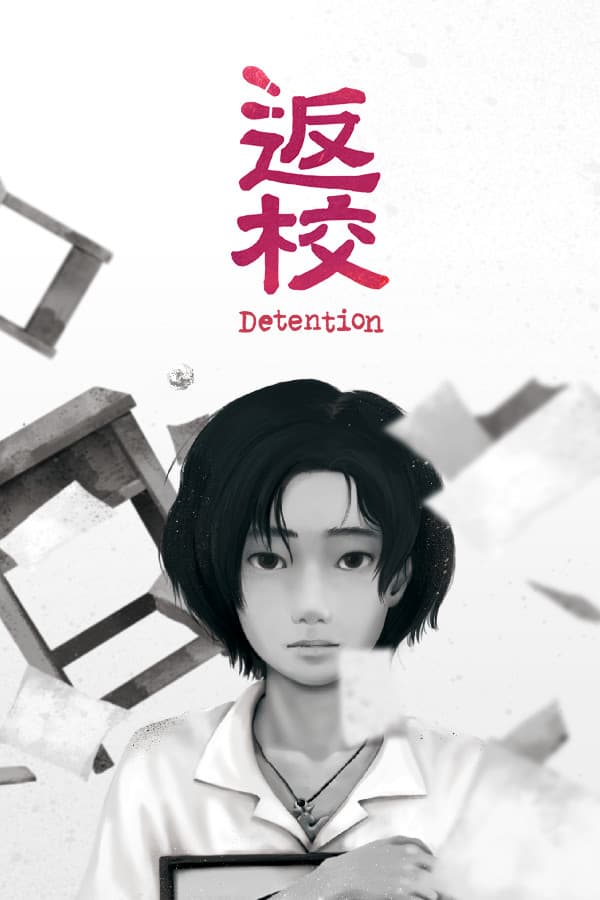
Detention
Detention uses supernatural horror as a lens for real historical atrocity. The Taiwanese folk monsters are genuinely frightening, but the true horror is the White Terror — a period of martial law where informing on neighbors led to torture and death. The story's twist recontextualizes everything devastating.
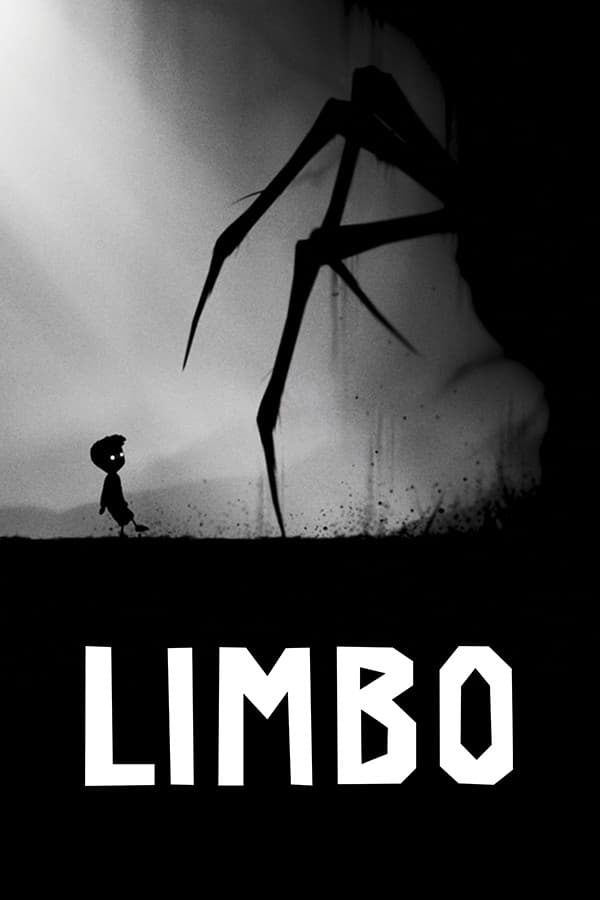
Limbo
Limbo's horror lies in its stark presentation — the pitch-black silhouettes hide threats until it is too late, and the brutal death animations for a child protagonist are shocking. The giant spider encounters and the hostile children create a world that feels actively malevolent.
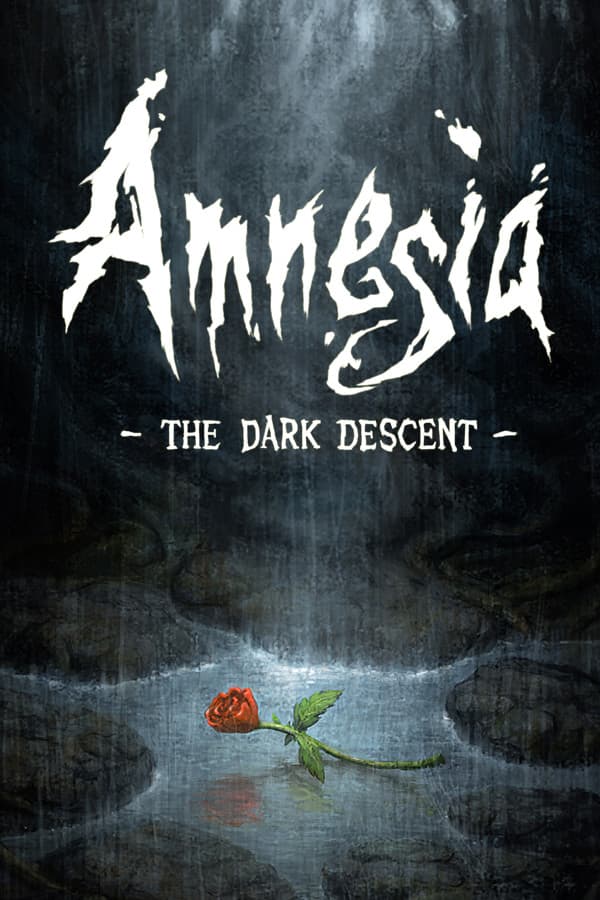
Amnesia: The Dark Descent
Amnesia: The Dark Descent redefined horror gaming by stripping away combat entirely. The helplessness of facing a monster with no weapon, combined with the sanity system that punishes you for both darkness and seeing enemies, creates a uniquely stressful horror experience.
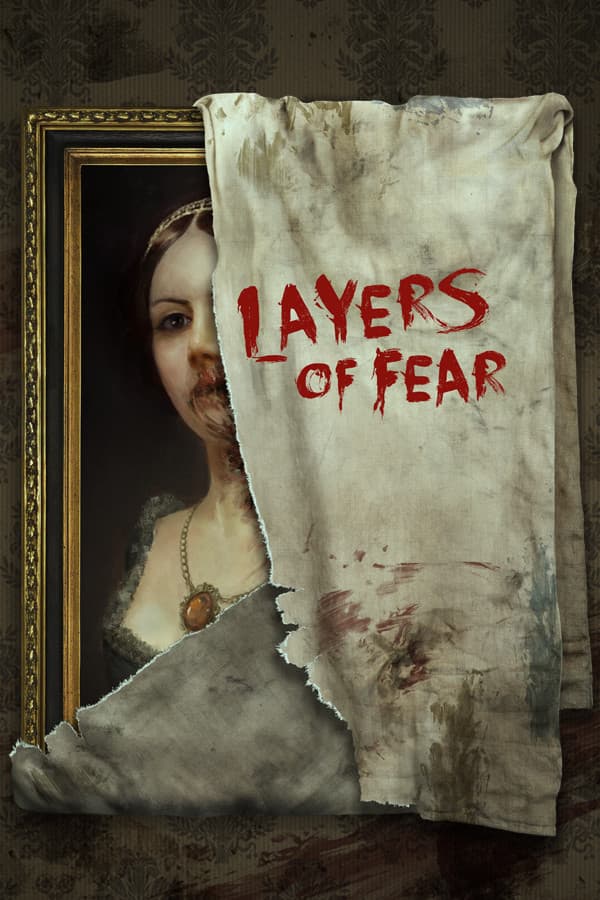
Layers of Fear
Layers of Fear weaponizes the environment itself. Turning around to find the hallway behind you has become a completely different room is deeply disorienting, and the painter's descent into madness is told through increasingly disturbing artwork and shifting architecture.
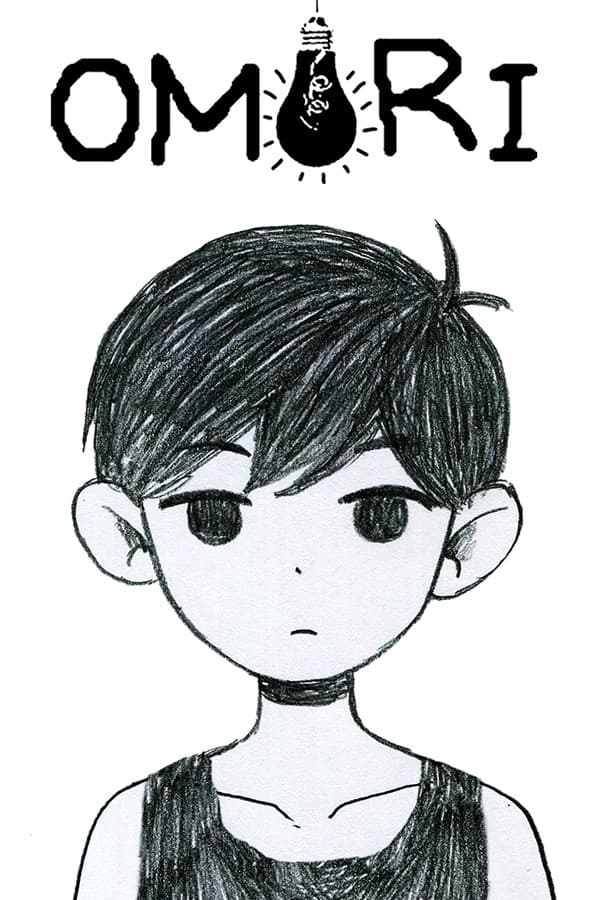
Omori
Omori's horror is deeply personal and psychological. Its greatest terror is not monsters but the truth that its protagonist is desperately avoiding. When the dream world's cheerful veneer cracks and reality seeps through, the results are devastating and haunting.

The Open House
The Open House transforms the mundane experience of house-hunting into something deeply sinister. Small details accumulate into an overwhelming sense of wrongness that makes you question what you are actually looking at.
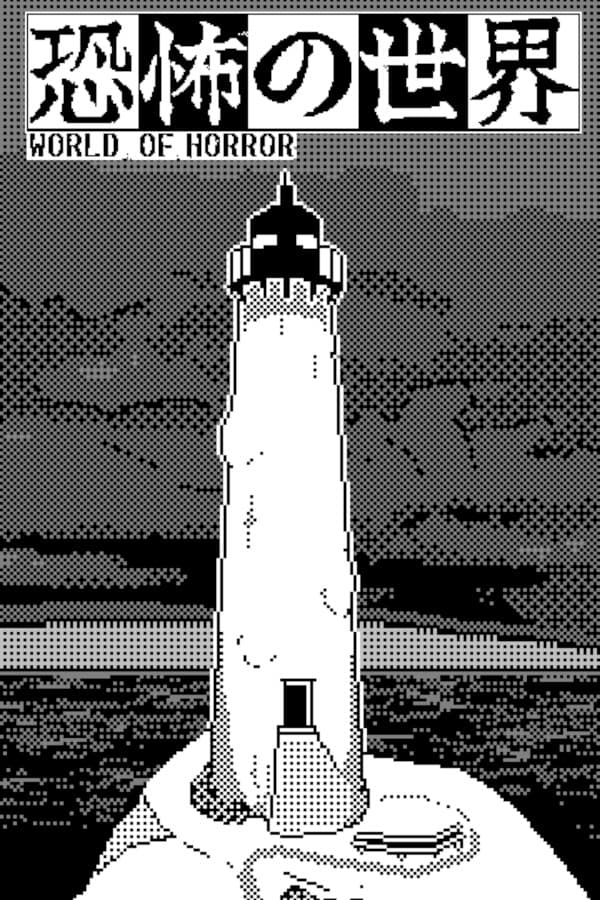
World of Horror
World of Horror's 1-bit art style is paradoxically more disturbing than photorealism. The Junji Ito-inspired body horror imagery rendered in stark black and white sears itself into your memory. The cosmic dread of old gods awakening adds existential weight.
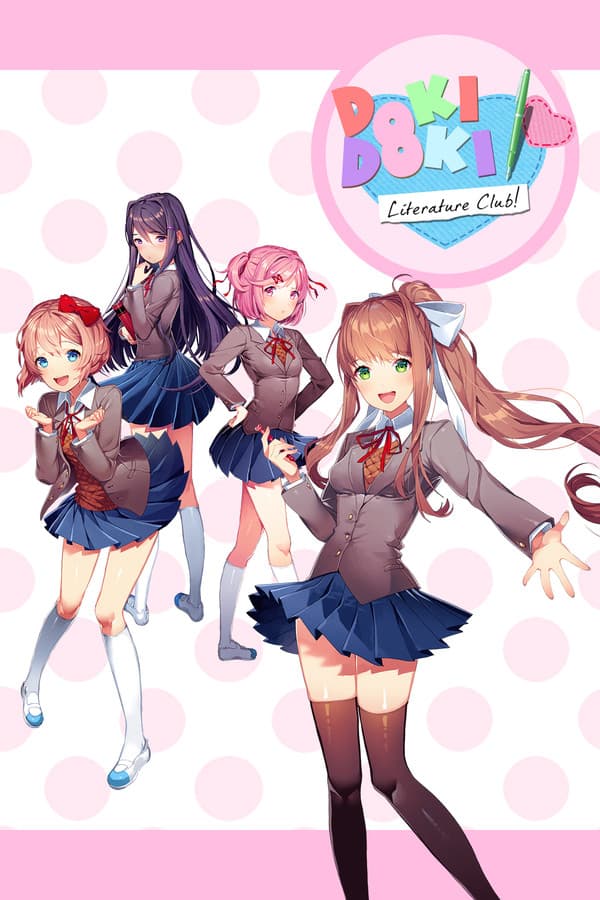
Doki Doki Literature Club!
DDLC lulls players into a false sense of security with its cute exterior before pulling the rug out in the most disturbing ways possible. Its meta-horror elements — corrupted game files, self-aware characters, and fourth-wall breaks — create a unique brand of existential dread.