
Best Indie Horror Games
About Indie Horror Games
Indie horror games push creative boundaries that AAA studios often avoid. From pixel art nightmares to photorealistic terror, indie developers deliver some of the most innovative and genuinely scary experiences in gaming. Each game is rated by our community with detailed fear profiles.

Iron Lung
Iron Lung is pure concentrated dread. Trapped in a coffin-sized submarine navigating a blood ocean with only a grainy camera, your imagination fills in the horrors you cannot see. It proves that what you cannot see is far more terrifying than what you can.
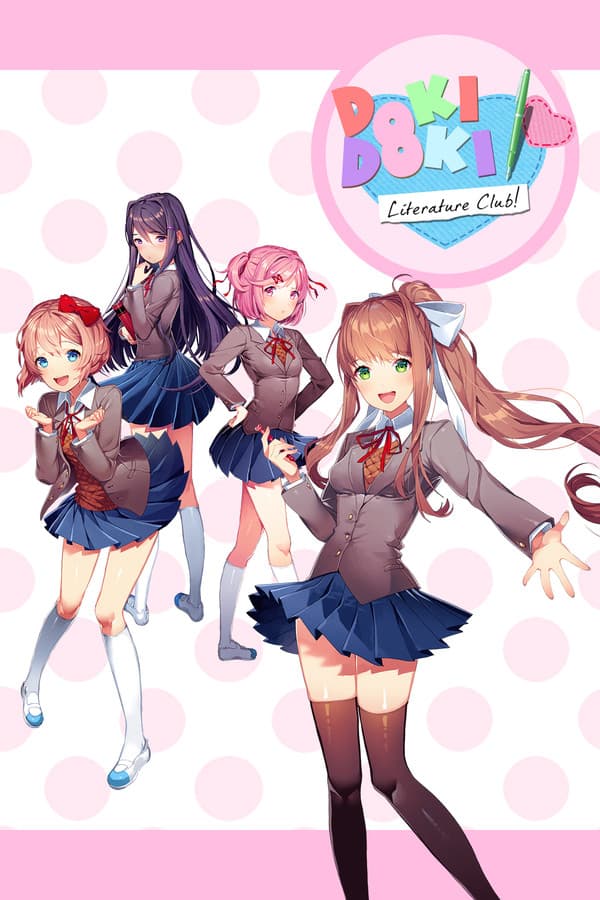
Doki Doki Literature Club!
DDLC lulls players into a false sense of security with its cute exterior before pulling the rug out in the most disturbing ways possible. Its meta-horror elements — corrupted game files, self-aware characters, and fourth-wall breaks — create a unique brand of existential dread.
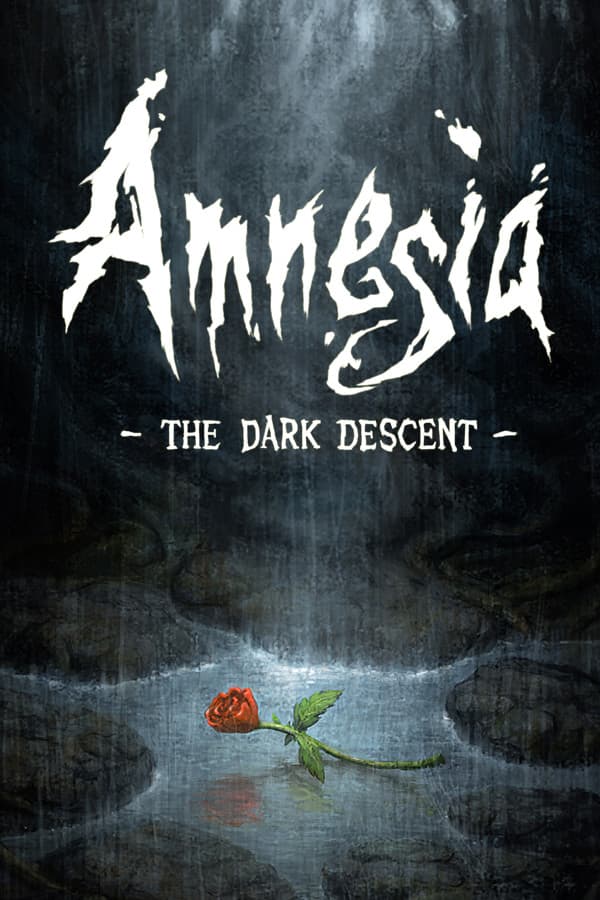
Amnesia: The Dark Descent
Amnesia: The Dark Descent redefined horror gaming by stripping away combat entirely. The helplessness of facing a monster with no weapon, combined with the sanity system that punishes you for both darkness and seeing enemies, creates a uniquely stressful horror experience.
Imscared
Imscared breaks out of its game window to terrorize you through your own file system. Finding new text files on your desktop from the game's entity blurs the line between game and reality in ways that feel genuinely invasive and frightening.
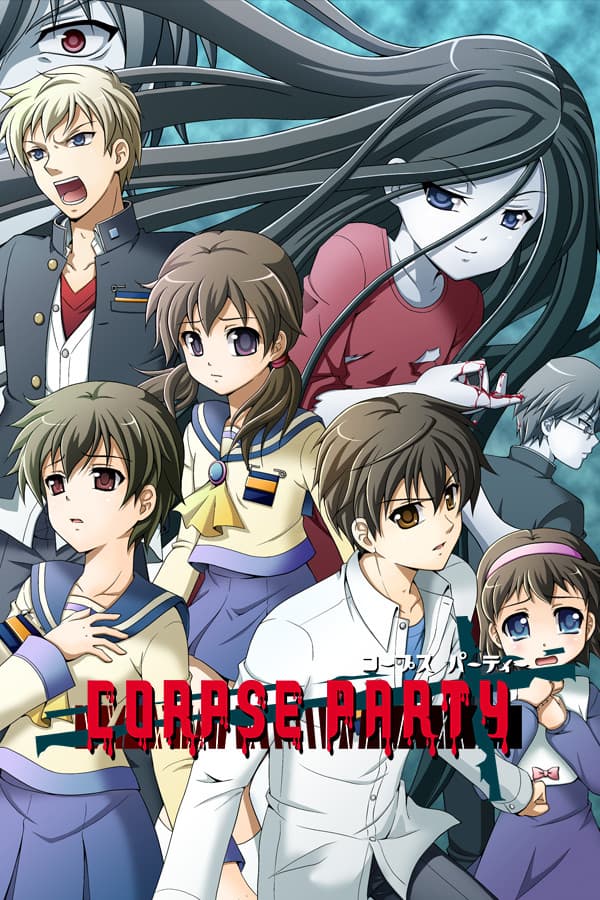
Corpse Party
Corpse Party proves pixel art can be deeply horrifying. Its sound design is phenomenal — meant to be played with headphones — and the wrong endings depict deaths so gruesome they rival any modern horror game. The voice acting sells the terror completely.

Signalis
Signalis masterfully blends classic survival horror mechanics with a deeply emotional sci-fi story. Its cosmic horror imagery, oppressive atmosphere, and unreliable reality create a dreamlike nightmare. The love story at its core makes the horror feel personal and devastating.
SCP: Containment Breach
SCP: Containment Breach is terrifying because of the SCP Foundation's rich lore. SCP-173 forces you to manage your blinks while navigating, and SCP-106's pocket dimension is nightmarish. The procedural generation ensures you can never fully prepare.
Omori
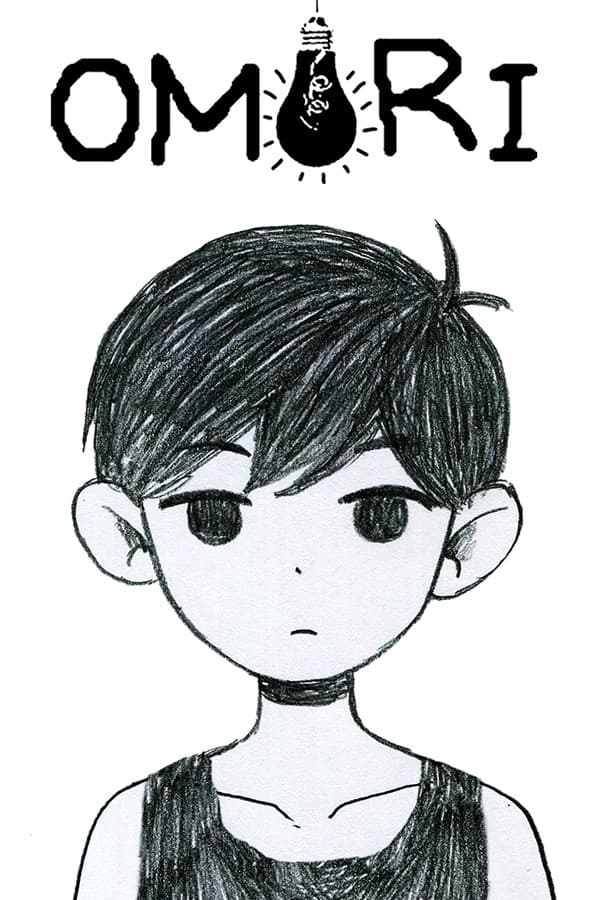
Omori's horror is deeply personal and psychological. Its greatest terror is not monsters but the truth that its protagonist is desperately avoiding. When the dream world's cheerful veneer cracks and reality seeps through, the results are devastating and haunting.
Dreadhalls
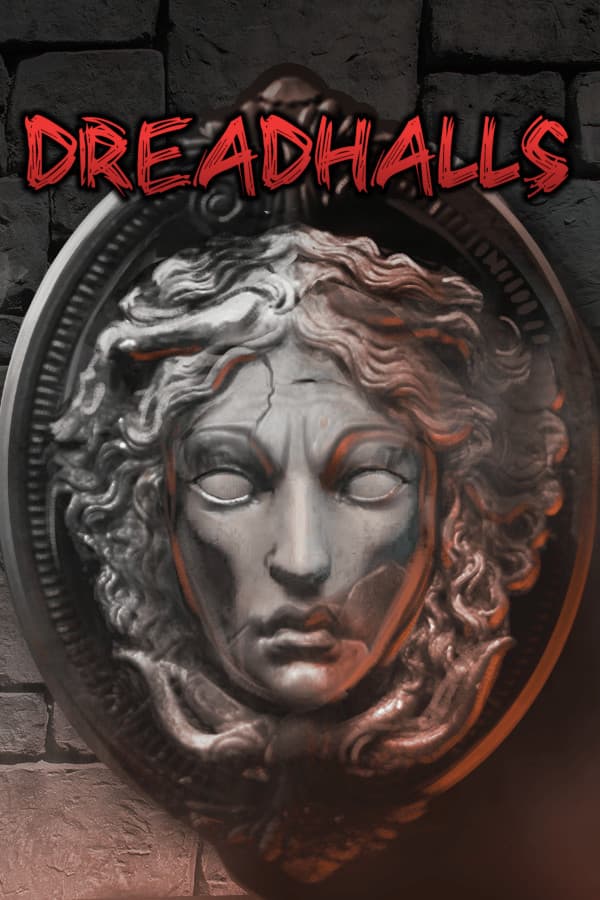
Dreadhalls proves that simplicity breeds terror in VR. With only a dim lamp illuminating procedurally generated corridors, every turn could reveal a monster. The darkness feels impenetrable and the isolation is crushing.
Darkwood
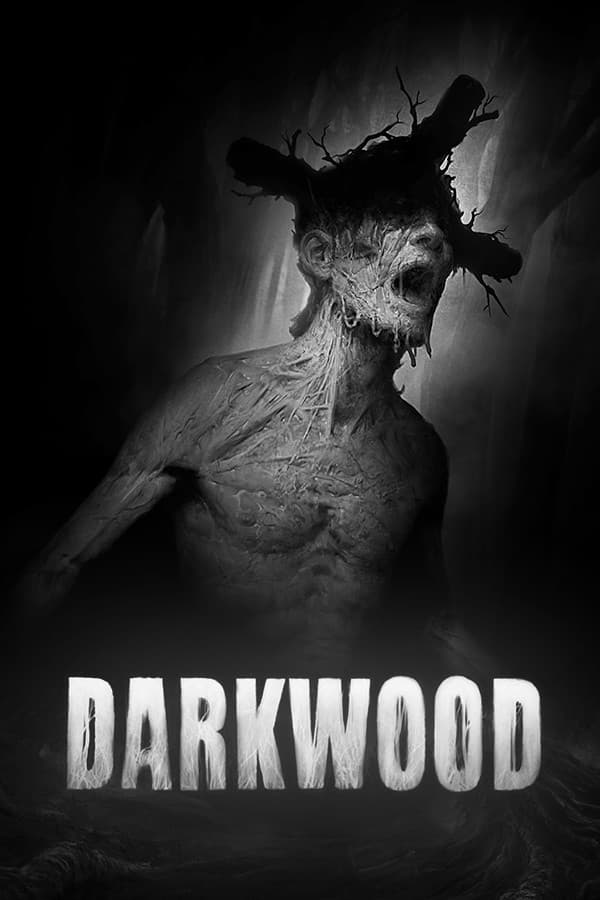
Darkwood achieves the impossible — a top-down game that is genuinely terrifying. Its limited vision cone, oppressive soundscape, and nighttime siege sequences create a slow-burn dread that burrows under your skin. The developers are proudly jump-scare-free.
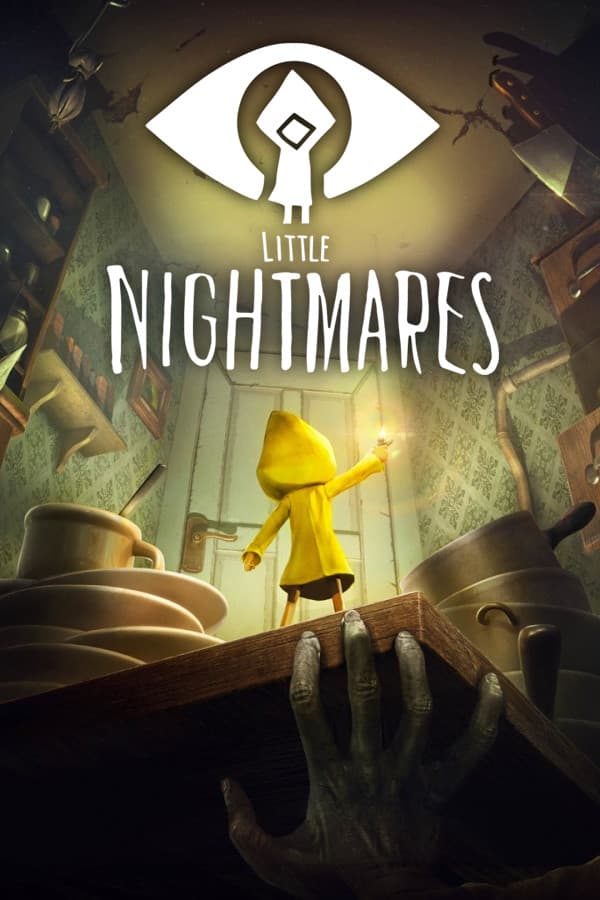
Little Nightmares
Little Nightmares creates horror through scale and grotesquery. Being a tiny child in a world of enormous, deformed adults taps into fundamental childhood fears. The Chef sequences and the Guest Area are particularly nightmarish.
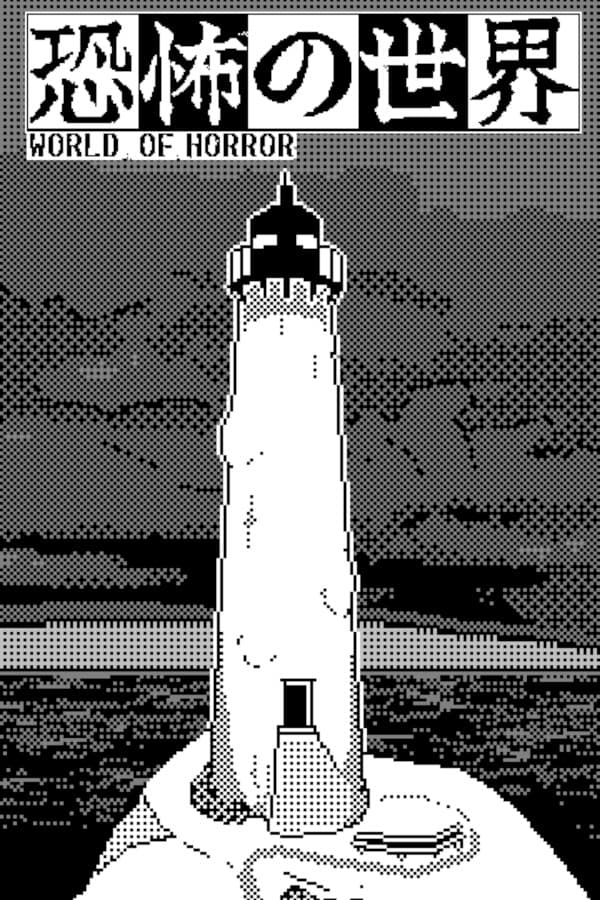
World of Horror
World of Horror's 1-bit art style is paradoxically more disturbing than photorealism. The Junji Ito-inspired body horror imagery rendered in stark black and white sears itself into your memory. The cosmic dread of old gods awakening adds existential weight.

The Open House
The Open House transforms the mundane experience of house-hunting into something deeply sinister. Small details accumulate into an overwhelming sense of wrongness that makes you question what you are actually looking at.
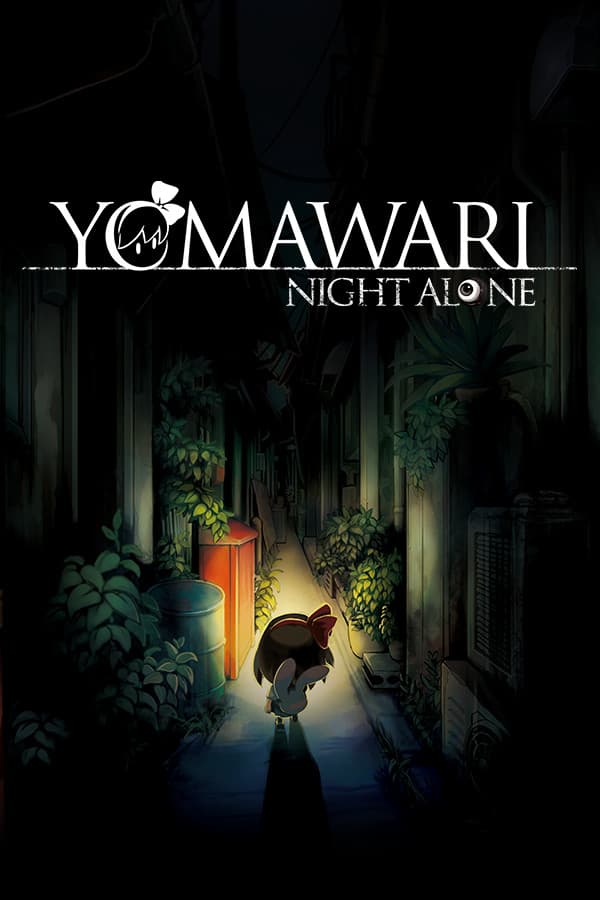
Yomawari: Night Alone
Yomawari creates an unsettling contrast between its adorable chibi art style and its genuinely dark content involving death, loss, and yokai. The opening moments are particularly shocking and set the tone for a deeply atmospheric horror experience.
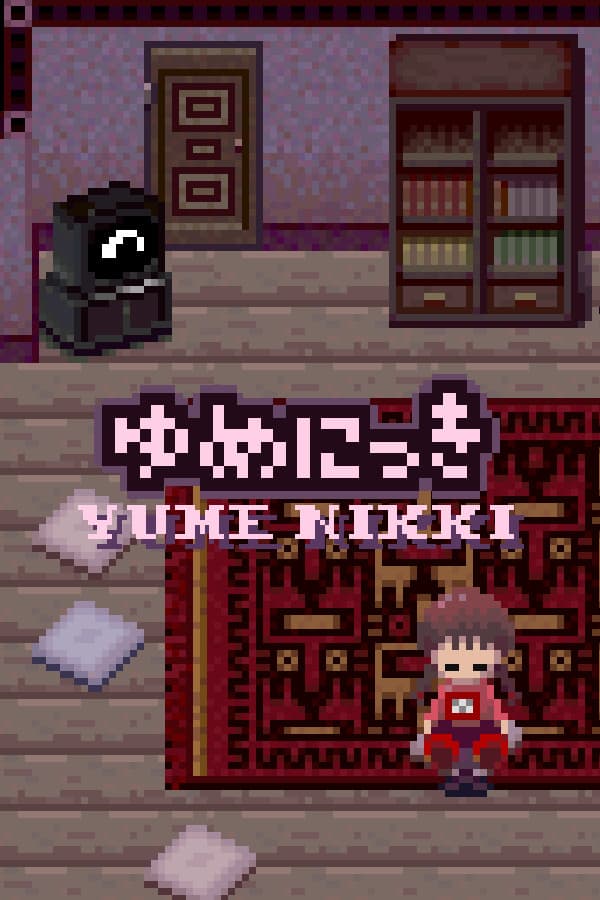
Yume Nikki
Yume Nikki's horror is existential and deeply personal. Its surreal dreamscapes — from an endlessly looping staircase to a face in the desert — feel like peering into someone's disturbed subconscious. The ending recontextualizes everything in the most devastating way possible.
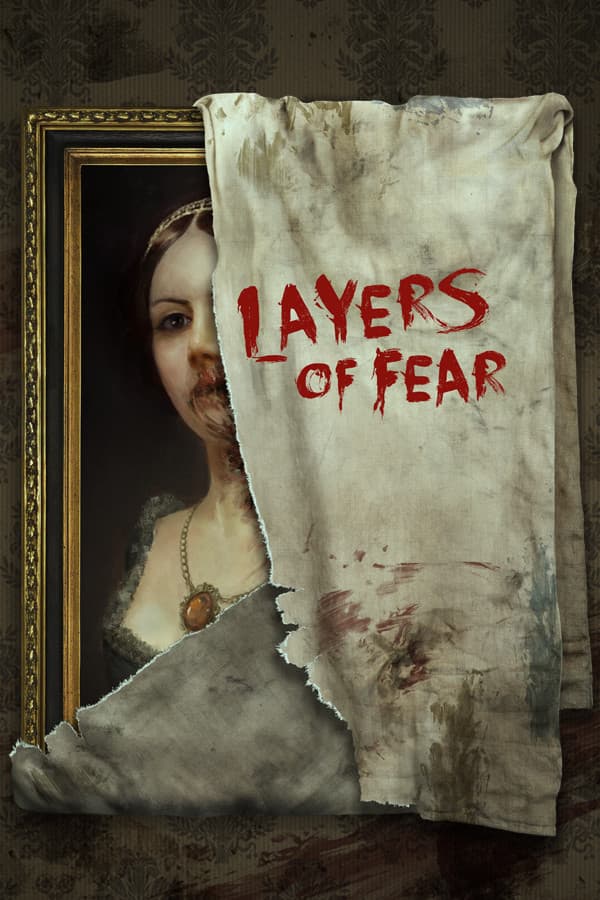
Layers of Fear
Layers of Fear weaponizes the environment itself. Turning around to find the hallway behind you has become a completely different room is deeply disorienting, and the painter's descent into madness is told through increasingly disturbing artwork and shifting architecture.
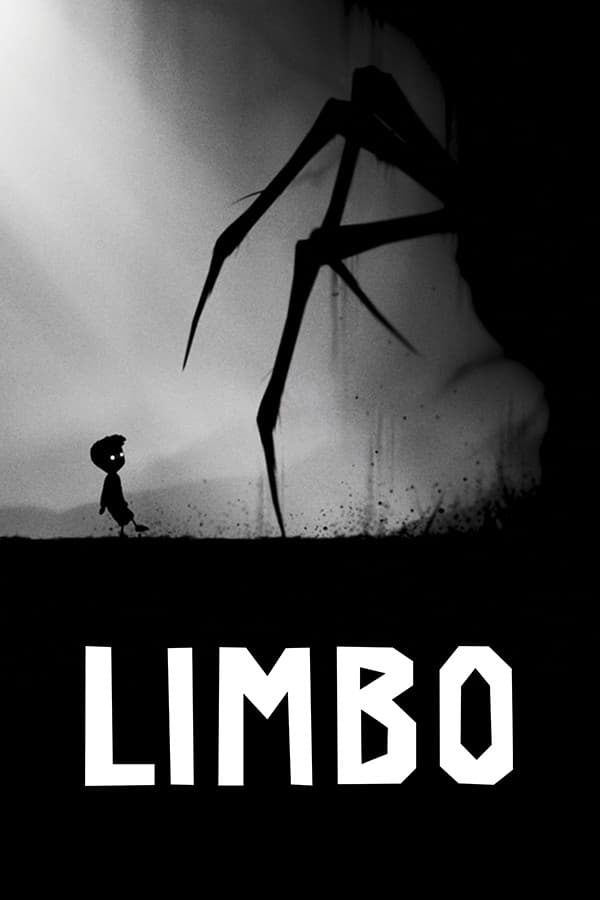
Limbo
Limbo's horror lies in its stark presentation — the pitch-black silhouettes hide threats until it is too late, and the brutal death animations for a child protagonist are shocking. The giant spider encounters and the hostile children create a world that feels actively malevolent.
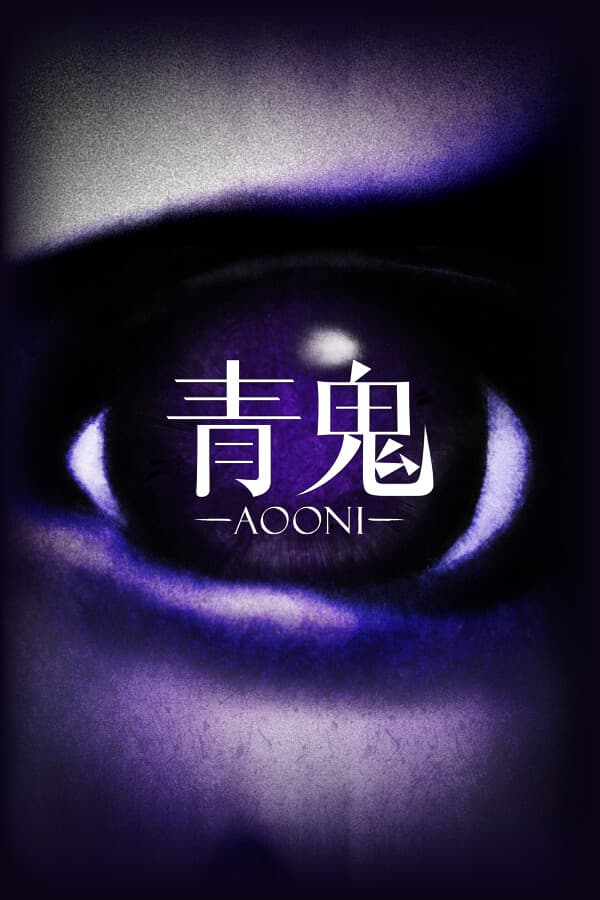
Ao Oni
Ao Oni's simplicity is its strength. The grotesque design of the Ao Oni itself — its bulging eyes and distorted face — is iconic, and its unpredictable appearances while you are focused on puzzles create genuine shock moments.
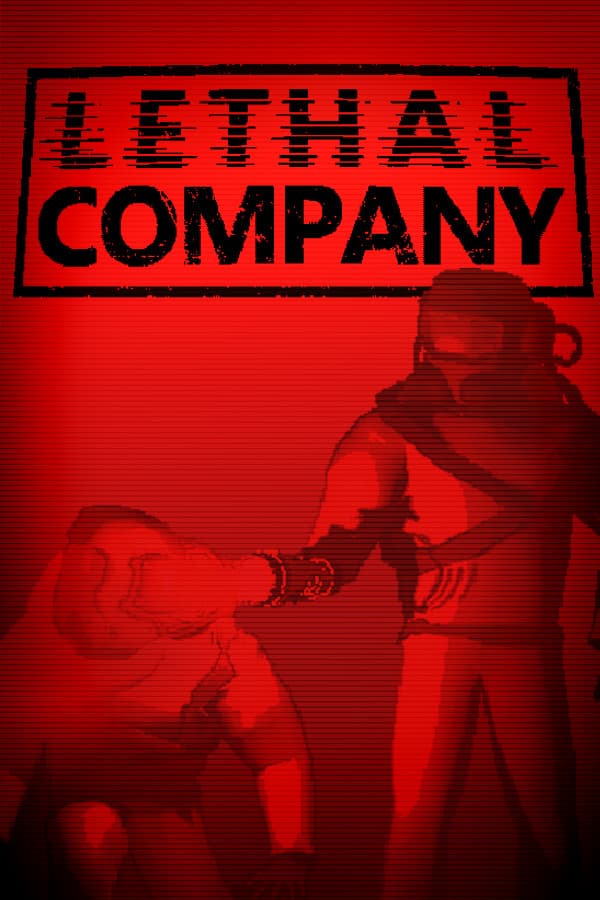
Lethal Company
Lethal Company generates horror from its co-op dynamics — voice chat proximity means screaming teammates become distant as they die in another room. The monster variety ensures unpredictability, and the corporate quota pressure creates a uniquely stressful atmosphere.
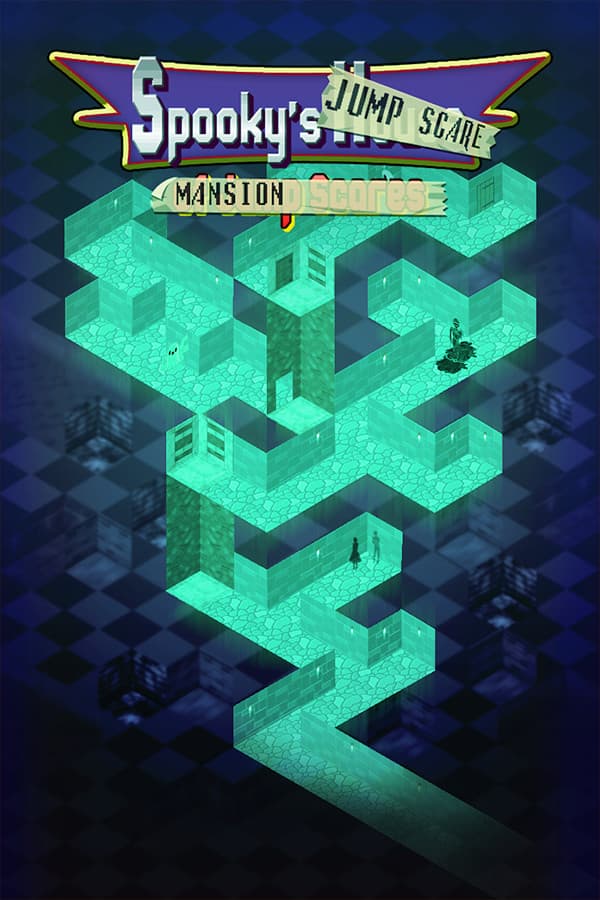
Spooky's Jump Scare Mansion
Spooky's brilliantly weaponizes your expectations. The cute beginning lulls you into complacency before introducing genuinely terrifying specimens. By room 500, the cardboard cutouts have been replaced by nightmarish creatures, and the shift is deeply effective.
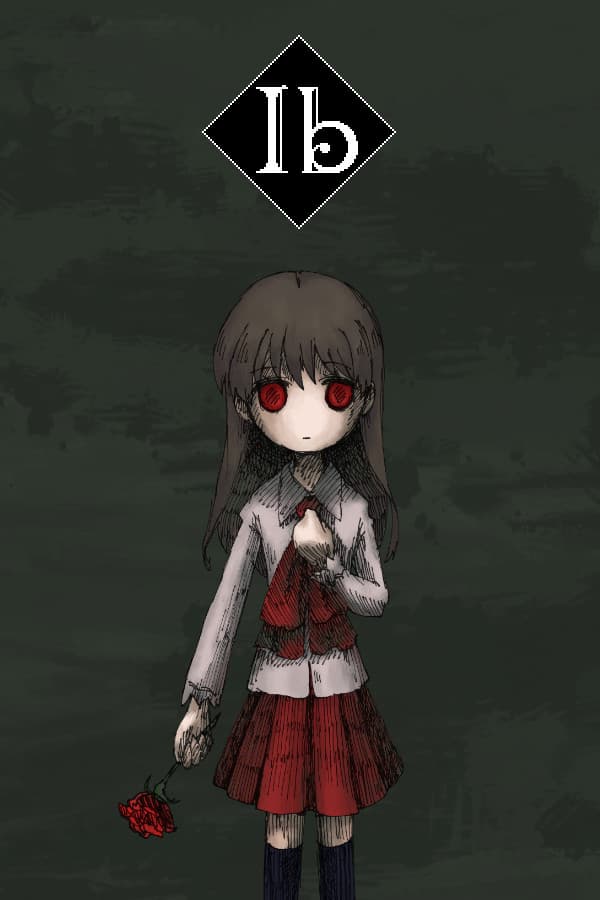
Ib
Ib creates unease through its surreal, dream-logic world where painted ladies step out of frames and sculptures stalk you through galleries. The multiple endings range from bittersweet to deeply disturbing, and the character dynamics add emotional weight to the horror.
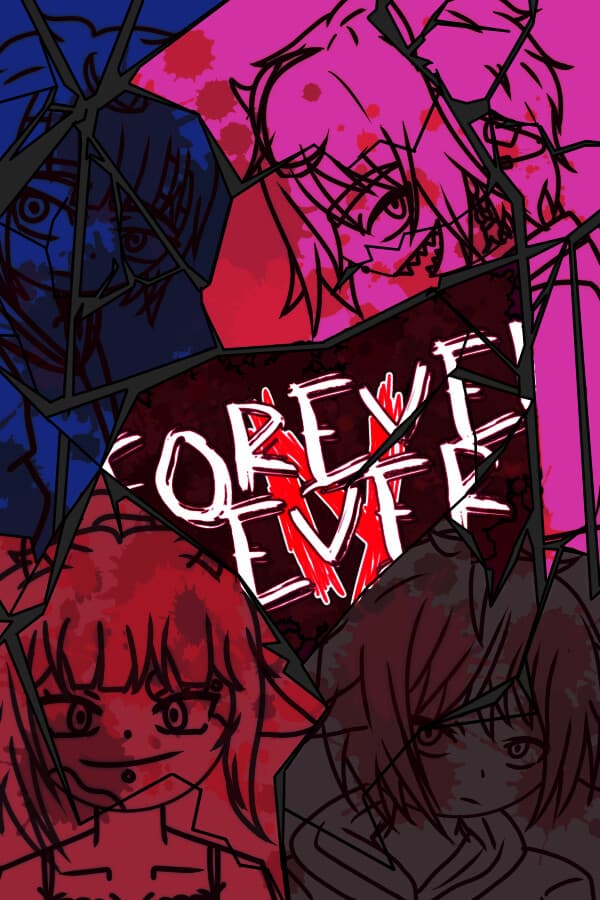
Content Warning
Content Warning is lighter than most co-op horror but still delivers genuine scares. The found-footage framing and the reward for filming scary things creates a brilliant risk-reward dynamic where players deliberately seek out danger.
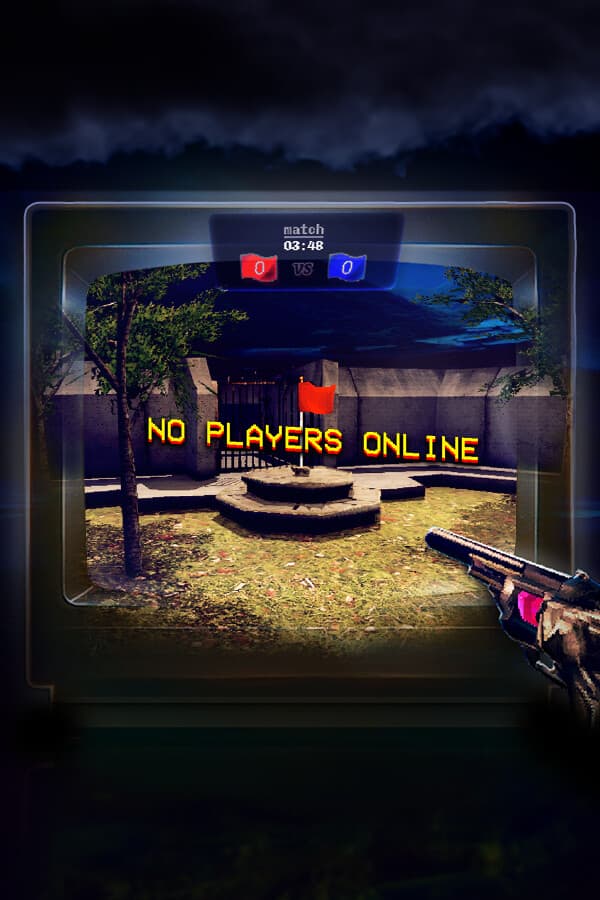
No Players Online
No Players Online taps into the deeply creepy feeling of being alone on a server that should have other people. The nostalgic early-FPS aesthetic and the gradual realization that you are not actually alone creates elegant, understated horror.
Frequently Asked Questions
What are Indie Horror Games?
Indie Horror Games are scary games that feature indie horror elements as a core part of their gameplay or atmosphere. These games range from mildly unsettling to deeply terrifying, offering varied experiences for different scare tolerances.
What are the best indie horror games?
Some of the top-rated indie horror games include Iron Lung, Doki Doki Literature Club!, Amnesia: The Dark Descent, and more. Browse our full list to find games ranked by community intensity ratings and fear profiles.
How many indie horror games are there?
We currently have 23 indie horror games in our database, with more being added regularly. Our community continuously rates and reviews new horror games as they are released.
Are indie horror games suitable for beginners?
Indie Horror Games vary widely in intensity. Use our fear profile system to find games that match your comfort level - each game is rated for intensity (1-5), jump scare frequency, and has specific content warnings so you can choose games that suit your experience level.