
Best Horror Games for Nintendo Switch
Discover the 52 best horror games on Nintendo Switch in 2026, ranked by scare intensity with fear profiles, jump scare ratings, and content warnings.
Top Nintendo Switch Horror Games in 2026
Looking for the scariest games to play on Nintendo Switch in 2026? Our database features 52+ horror games for this platform, each with community-driven fear profiles, intensity ratings, and content warnings. Whether you prefer psychological horror, survival horror, or indie scares, find the perfect game for your Nintendo Switch setup.
Top-rated Nintendo Switch horror games include Resident Evil Zero, Fatal Frame: Mask of the Lunar Eclipse, Outlast 2, and more. Each game has been rated by our community for intensity, jump scare frequency, and specific content warnings - so you know exactly what you're getting into before you play.
Browse the full collection below, or use our filters to narrow down by subgenre, intensity level, or release date. You can also check our curated "Best Of" lists for expert-picked recommendations.
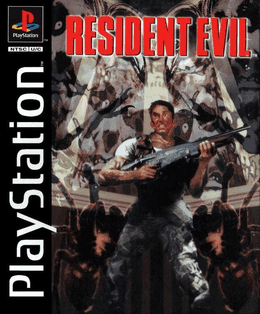
Resident Evil Zero
It is classic Resident Evil tension: constrained space, limited supplies, and enemies designed to punish panic. The two-character system adds pressure when you have to split attention and resources.
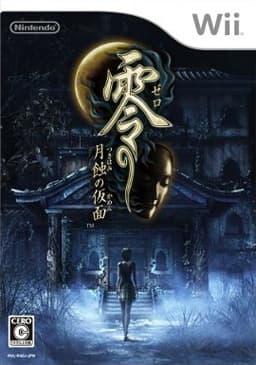
Fatal Frame: Mask of the Lunar Eclipse
The series' core tension is still here: you have to face ghosts directly and wait for the right moment, which makes every encounter feel like standing your ground in a bad place.
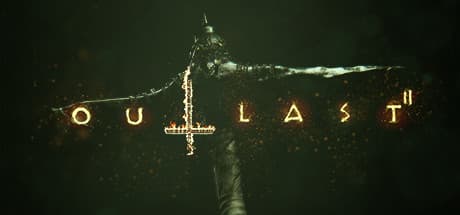
Outlast 2
Outlast 2 pushes horror to its extremes with relentless chase sequences and deeply disturbing religious cult imagery. The night-vision camera mechanic forces players to choose between seeing in the dark and conserving batteries. Its unforgiving difficulty and graphic content create a constantly overwhelming sense of vulnerability.

Iron Lung
Iron Lung is pure concentrated dread. Trapped in a coffin-sized submarine navigating a blood ocean with only a grainy camera, your imagination fills in the horrors you cannot see. It proves that what you cannot see is far more terrifying than what you can.

MADiSON
MADiSON is a first-person psychological horror game focused on photography, puzzles, and relentless paranormal pressure. Armed with an instant camera, you explore a haunted house as the boundaries between past and present collapse. The camera is not just a gimmick, it is how you uncover clues, trigger events, and sometimes reveal what you absolutely did not want to see. With heavy atmosphere and sudden scares, MADiSON is designed to keep you anxious even when nothing is happening.

The Mortuary Assistant
The Mortuary Assistant is a first-person horror game that mixes a grounded mortuary job simulator with escalating demonic hauntings. You play as a newly licensed mortician, embalming bodies and completing procedures, but the night shift quickly becomes a test of composure when supernatural events start breaking reality. With randomized scares, investigative clues, and multiple outcomes, it turns routine tasks into a nerve-shredding ritual.

Holstin
Holstin is a psychological survival horror game set in late 1992, in an isolated Polish town consumed by a creeping, unnatural presence. Investigate what happened to your friend as you explore decaying streets, interrogate locals, solve puzzles, and fight grotesque manifestations. With a retro presentation and a heavy emphasis on atmosphere, it blends classic survival horror DNA with unnerving modern horror themes.

CONSCRIPT
CONSCRIPT is a top-down survival horror game set during World War I. Trapped behind enemy lines, you must navigate a maze of trenches, tunnels, and bunkers while scavenging scarce supplies, solving environmental puzzles, and fighting to survive. Inspired by classic survival horror structure, it pairs tight resource management with grim wartime atmosphere.
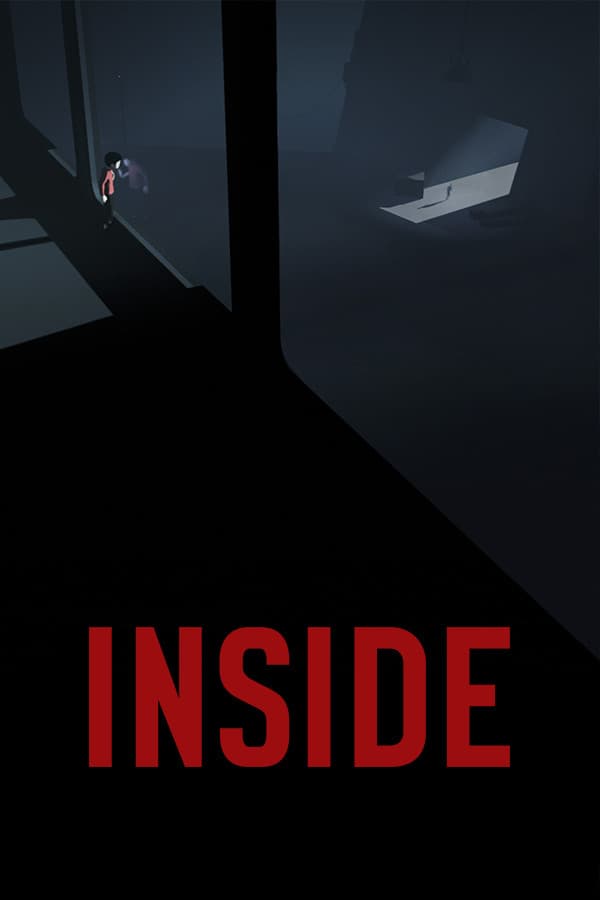
Inside
Inside builds unease from its very first moments and never relents. The mind control sequences are deeply disturbing, the underwater sections are tense, and the final act — which completely redefines everything — is among gaming's most shocking reveals.

Signalis
Signalis masterfully blends classic survival horror mechanics with a deeply emotional sci-fi story. Its cosmic horror imagery, oppressive atmosphere, and unreliable reality create a dreamlike nightmare. The love story at its core makes the horror feel personal and devastating.
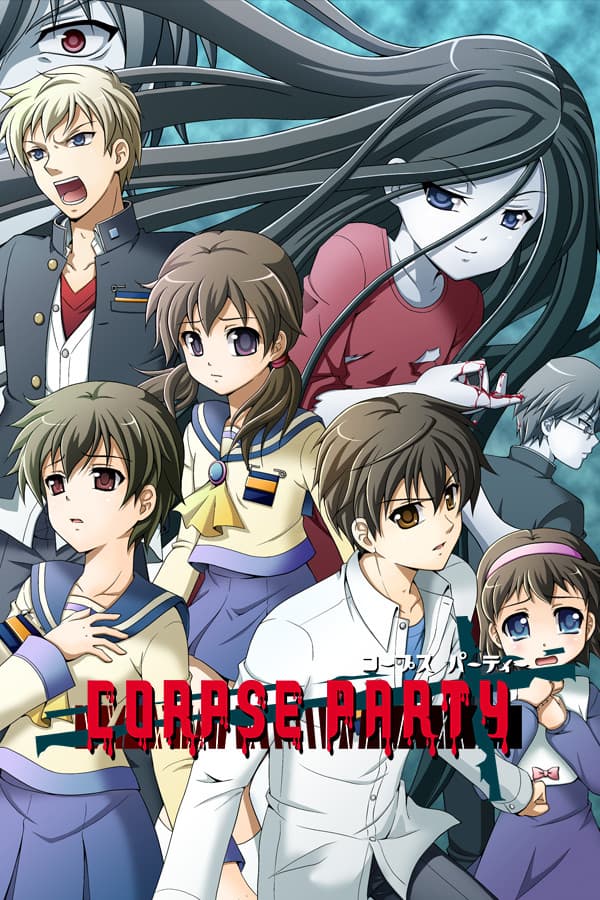
Corpse Party
Corpse Party proves pixel art can be deeply horrifying. Its sound design is phenomenal — meant to be played with headphones — and the wrong endings depict deaths so gruesome they rival any modern horror game. The voice acting sells the terror completely.
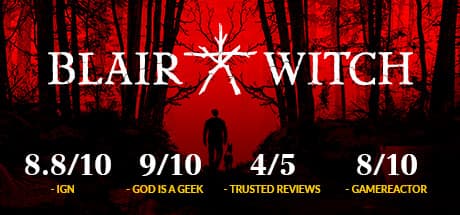
Blair Witch
Blair Witch taps into primal “lost in the woods” fear and then adds psychological horror on top: unreliable perception, looping paths, and sudden shifts in time make it hard to trust what you’re seeing. The forest is oppressive and disorienting, and the way the game uses sound, darkness, and your dog’s reactions turns quiet moments into sustained dread. It’s the kind of horror where the scariest thing is often what you can’t see — until it’s right behind you.
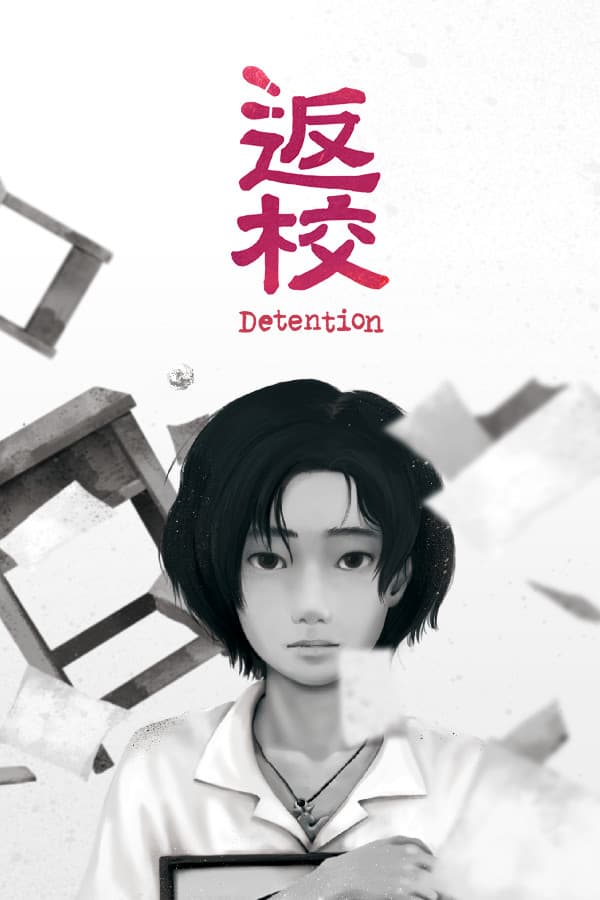
Detention
Detention uses supernatural horror as a lens for real historical atrocity. The Taiwanese folk monsters are genuinely frightening, but the true horror is the White Terror — a period of martial law where informing on neighbors led to torture and death. The story's twist recontextualizes everything devastating.
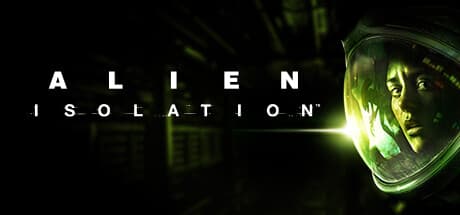
Alien: Isolation
Alien: Isolation features one of gaming's most terrifying antagonists: a Xenomorph driven by adaptive AI that learns from the player's tactics. Hiding in lockers and crawling through vents creates suffocating tension, while the retro-futuristic space station setting perfectly captures the dread of the original 1979 film. The alien cannot be killed, only avoided, making every encounter a desperate fight for survival.
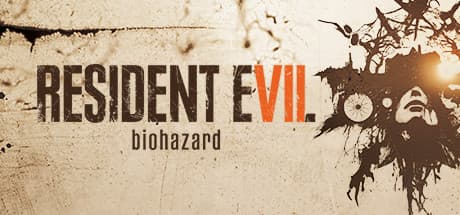
Resident Evil 7: Biohazard
RE7's shift to first-person perspective puts players face-to-face with the terrifying Baker family in a way the series had never achieved before. The derelict Louisiana plantation oozes with Southern Gothic atmosphere, and the game balances tense exploration with shocking encounters. Jack Baker's relentless pursuit through the main house is one of horror gaming's most memorable sequences. Note: The Nintendo Switch version is a Cloud streaming version requiring a stable internet connection.
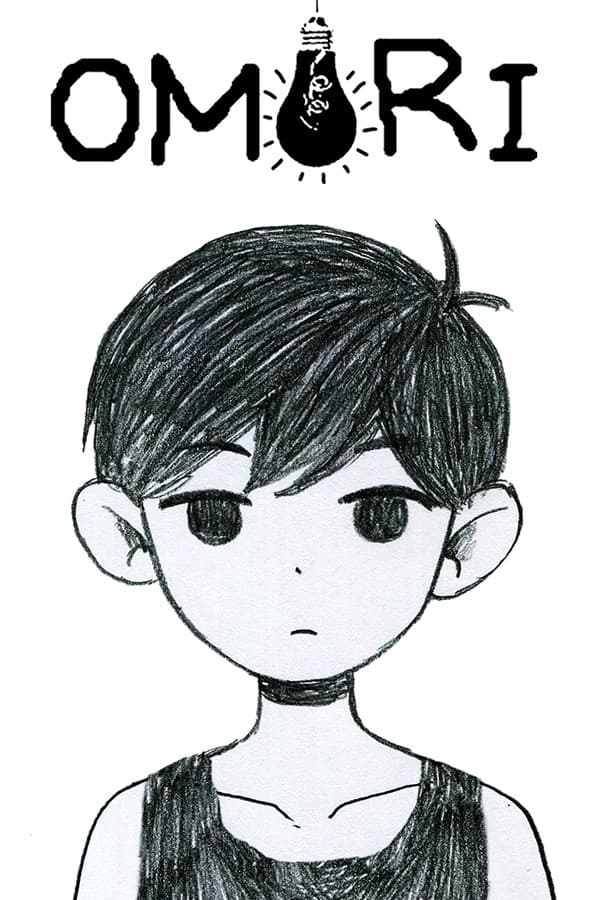
Omori
Omori's horror is deeply personal and psychological. Its greatest terror is not monsters but the truth that its protagonist is desperately avoiding. When the dream world's cheerful veneer cracks and reality seeps through, the results are devastating and haunting.
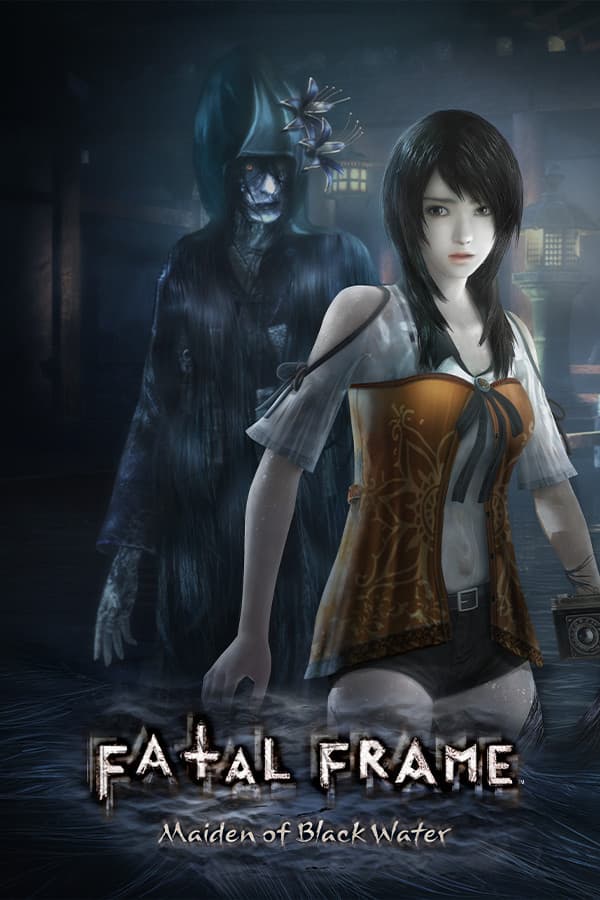
Fatal Frame: Maiden of Black Water
Fatal Frame's Camera Obscura mechanic forces you to look directly at the ghosts to fight them — the closer they get, the more damage you deal but the more vulnerable you become. Maiden of Black Water's rain-soaked mountain setting and Japanese death rituals create an atmosphere of pervasive dread.

SOMA
SOMA's greatest horror is philosophical. The questions it poses about consciousness and identity are genuinely disturbing — what if you were a copy? What if the original you was already dead? The underwater setting and biomechanical monsters add visceral dread to the existential crisis.
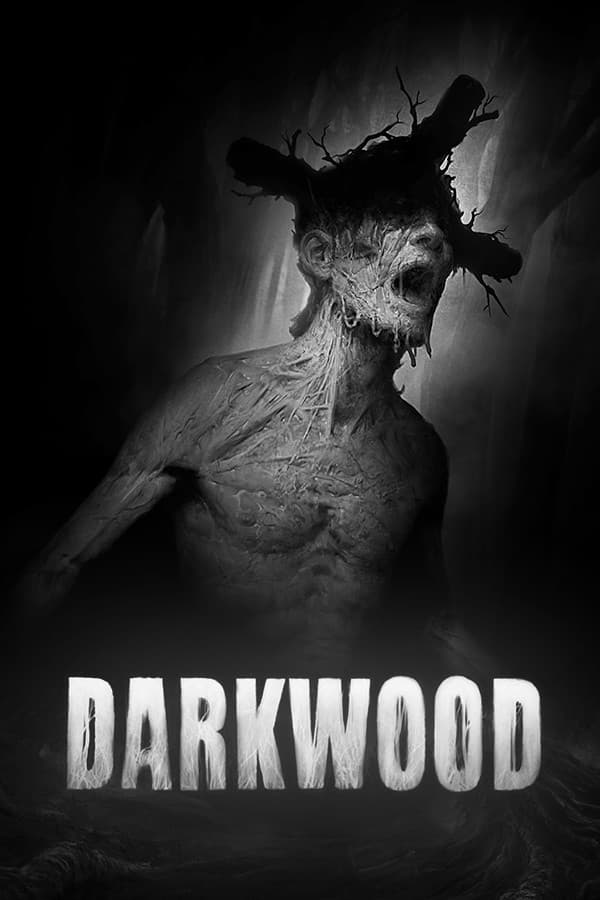
Darkwood
Darkwood achieves the impossible — a top-down game that is genuinely terrifying. Its limited vision cone, oppressive soundscape, and nighttime siege sequences create a slow-burn dread that burrows under your skin. The developers are proudly jump-scare-free.
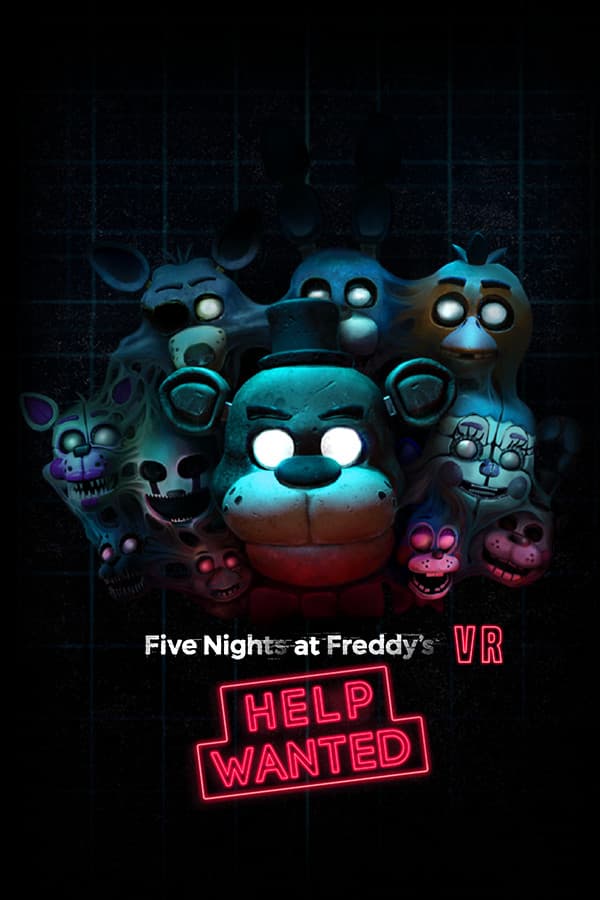
Five Nights at Freddy's: Help Wanted
Help Wanted transforms the already terrifying FNAF formula into a visceral VR nightmare. Having Freddy, Bonnie, and the gang lunging at you in full VR creates some of the most intense jump scares in gaming.
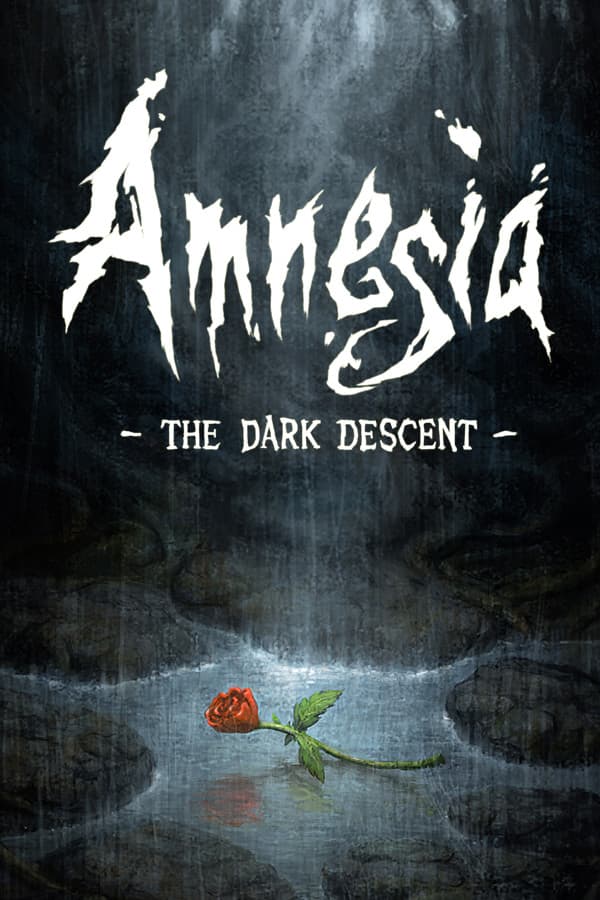
Amnesia: The Dark Descent
Amnesia: The Dark Descent redefined horror gaming by stripping away combat entirely. The helplessness of facing a monster with no weapon, combined with the sanity system that punishes you for both darkness and seeing enemies, creates a uniquely stressful horror experience.

World War Z
The horror is scale: swarms behave like a physics problem, climbing and pouring through choke points until your plan collapses under sheer numbers.

Sorry We're Closed
Sorry We're Closed is a single-player survival horror game with a neon-soaked, psychedelic aesthetic. You play as Michelle, caught in a supernatural curse, exploring strange urban spaces, talking to unsettling characters, and surviving encounters with demonic threats. It blends classic survival horror pacing with modern storytelling and surreal vibes.
Zombie Army 4: Dead War
It’s schlocky, but the relentless pressure of co-op firefights—plus special enemies and occult bosses—keeps every mission a loud, sweaty panic.
Resident Evil: Revelations 2
Revelations 2 balances survival horror scarcity with sudden cruelty—enemies that refuse to die cleanly, oppressive facilities, and a constant sense that someone is watching. Its co-op design can lull you into teamwork comfort, then yank it away with separated characters and low-ammo desperation.
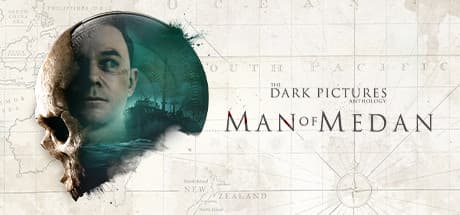
The Dark Pictures Anthology: Man of Medan
Man of Medan is scary because it weaponizes uncertainty: the ship is a maze of locked rooms, creaking hulls, and half-seen shapes in the dark, and the story constantly asks whether the characters are facing something supernatural or something far more human. Every major scare is tied to a decision — hesitate, trust the wrong person, or panic during a QTE, and a character can die permanently. That makes the dread feel personal: you are not watching people make bad horror-movie choices — you are making them.

The Bridge Curse 2: The Extrication
The Bridge Curse 2: The Extrication is a story-driven survival horror game rooted in Taiwanese urban legends. Set on the campus of Wen Hua University, it follows multiple characters pulled into a night of ghost stories, cursed rituals, and a malevolent presence that turns familiar hallways into a trap. You will explore, solve puzzles, and sneak past supernatural threats as the narrative shifts perspectives.
DOOM 3
DOOM 3 is basically a haunted house with a shotgun: dim corridors, alarms blaring in the distance, and enemies that love waiting just out of sight. The horror comes from uncertainty—every door you open feels like you’re volunteering to be ambushed in the dark.
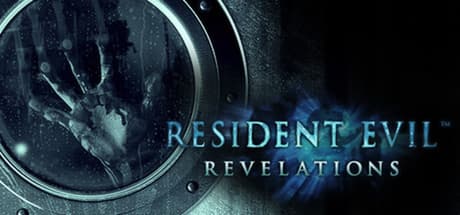
Resident Evil: Revelations
Revelations weaponizes confinement: long, dim hallways, the constant feeling of being trapped at sea, and enemies that love bursting into your personal space. It’s classic Resident Evil dread—door by door, bullet by bullet—where every detour feels like it might be your last.
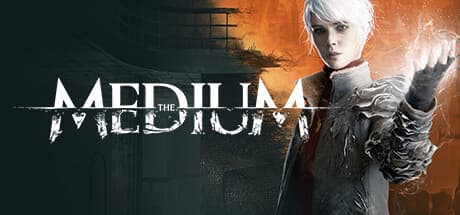
The Medium
The Medium’s horror comes from living in two places at once. Seeing a decayed “real” space alongside a nightmarish spirit reflection makes every room feel unsafe, because there is no single reality you can rely on. The resort setting is drenched in melancholy and dread, and the game builds fear through oppressive sound design, grotesque imagery, and the constant sense that something is stalking you just out of frame. It’s slow-burn psychological horror that leans on atmosphere more than jump scares.
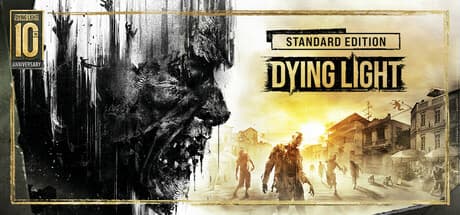
Dying Light
Dying Light’s horror lives in the night. The daytime can feel empowering — until the sun drops and the same streets become hunting grounds. The Volatiles are fast, relentless, and dangerous enough that escape becomes the real win condition. Because you’re moving through the city via parkour, the fear is kinetic: missed jumps, dead ends, and exhausted stamina can turn a chase into a brutal, messy death in seconds.

Crow Country
Crow Country is a retro-inspired survival horror game set in 1990, where you explore an abandoned theme park to uncover the mystery behind its sudden closure and the disappearance of its owner, Edward Crow. Playing as investigator Mara Forest, you search through eerie attractions and backrooms, manage limited resources, solve classic puzzles, and decide when to fight or flee as strange creatures begin to appear inside the park's locked gates.
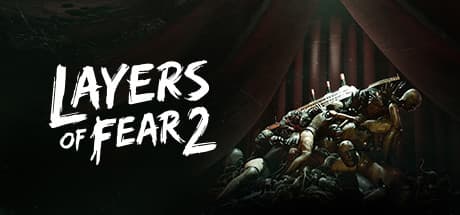
Layers of Fear 2
Layers of Fear 2 is scary because the world refuses to stay stable. Hallways transform mid-step, sets collapse into nightmares, and familiar spaces mutate into something hostile when you look away. The game leans into psychological horror: you’re never sure whether you’re being haunted, losing your mind, or being manipulated by the production itself. That constant instability makes simple exploration feel dangerous — like the environment is waiting for you to blink first.
Resident Evil 5
Even with the heavier action focus, Resident Evil 5 leans on relentless enemy pressure, grotesque parasite mutations, and sudden ambushes in tight indoor spaces. Co-op can make it feel safer—until your partner is low on ammo, you’re juggling inventory under fire, and the game turns every hallway into a panic drill.
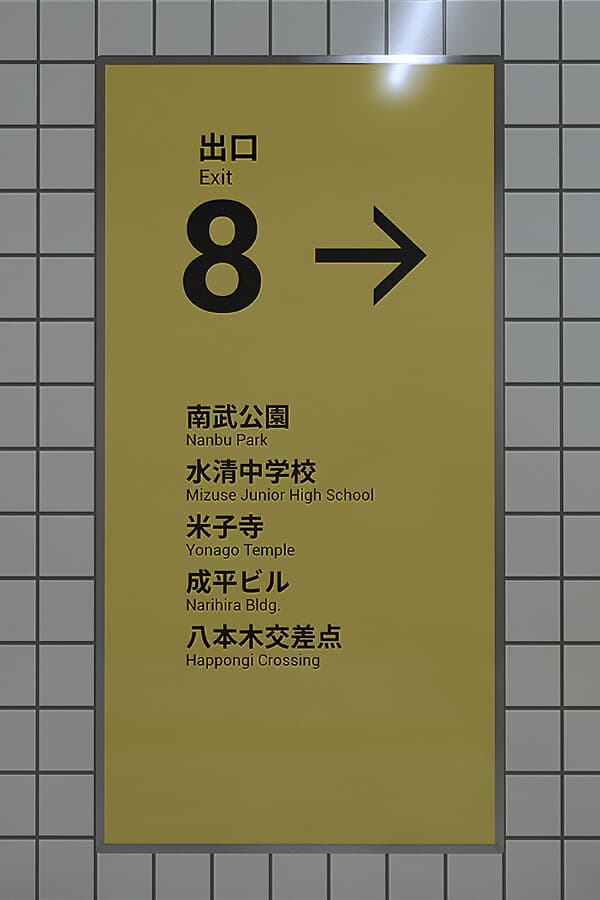
The Exit 8
The Exit 8 is a short, unsettling walking simulator about getting trapped in an underground passageway that loops endlessly. Your only rule is simple: spot anomalies. If something feels wrong, turn back. If everything looks normal, keep going. The tension comes from second-guessing your senses as the space subtly changes, turning a mundane commute corridor into a paranoid horror puzzle.
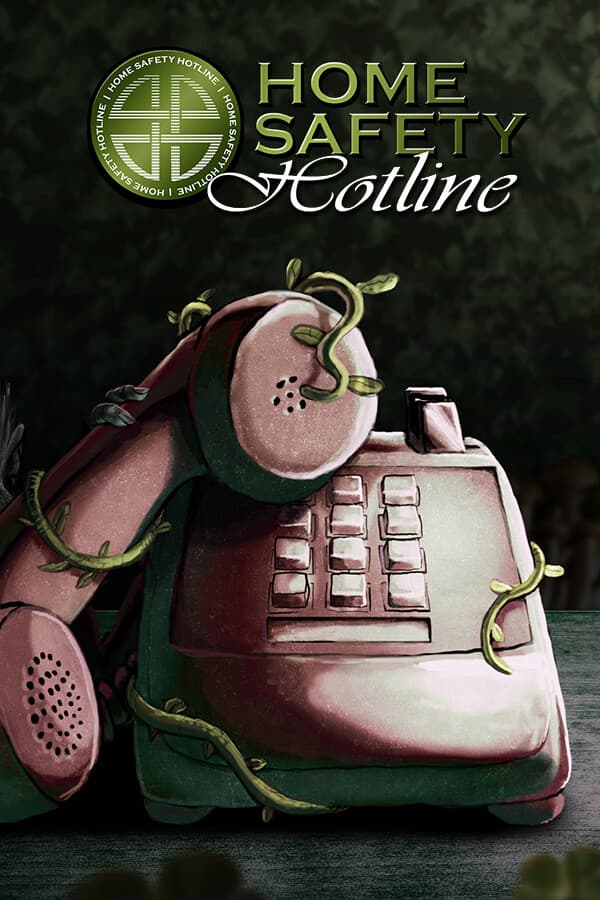
Home Safety Hotline
Home Safety Hotline is an analog horror-inspired telephone operator simulator set in 1996. You work the hotline by answering callers questions about what is hiding in their homes, flipping through a detailed reference catalog of pests and household hazards, and giving advice under pressure. As the calls grow stranger and more dangerous, you are forced to identify threats quickly because you are held responsible for what happens next.
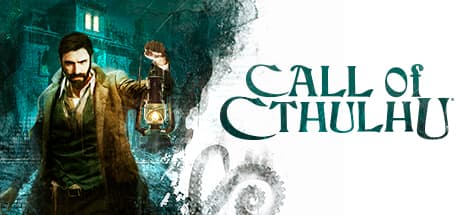
Call of Cthulhu
The horror is slow, cerebral, and suffocating: the game makes you question what’s real through sanity effects and fragmented clues, while the setting leans on isolation and paranoia. Instead of constant attacks, it builds dread by implying that the truth you’re uncovering is bigger, older, and far less human than you are.
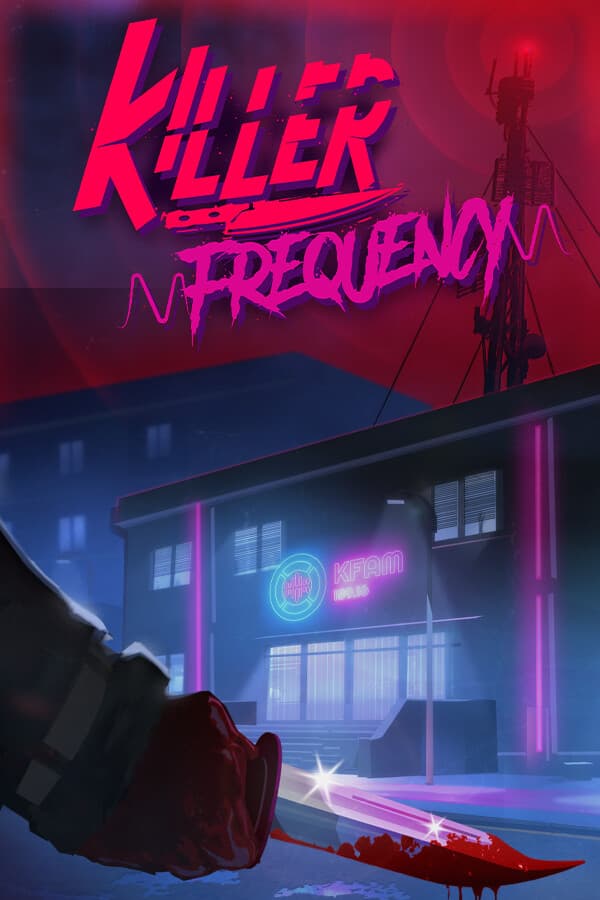
Killer Frequency
The killer isn't in your room... at first. The fear comes from trying to save people with partial information, under time pressure, while a slasher closes in. Every wrong instruction feels personal, and the cozy late-night radio vibe makes the violence hit harder when it breaks through.
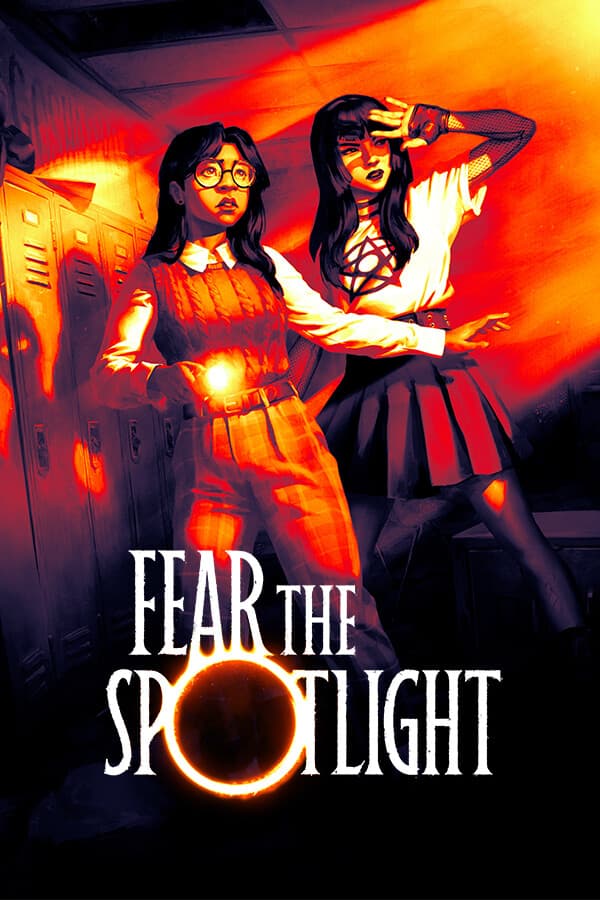
Fear the Spotlight
Fear the Spotlight is an atmospheric third-person horror adventure that blends 90s teen terror with stealth and tactile puzzles. When Vivian sneaks into Sunnyside High after hours to perform a seance with the rebellious Amy, the night goes wrong fast and Vivian is left alone in dark hallways with something stalking the school. You will explore classrooms and backstage areas, solve puzzles, and stay out of the spotlight to survive.
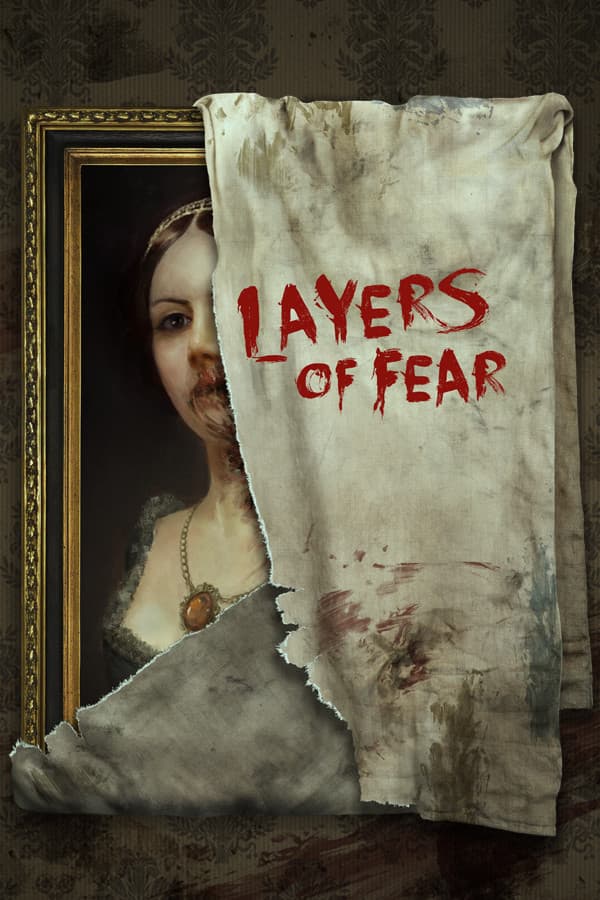
Layers of Fear
Layers of Fear weaponizes the environment itself. Turning around to find the hallway behind you has become a completely different room is deeply disorienting, and the painter's descent into madness is told through increasingly disturbing artwork and shifting architecture.
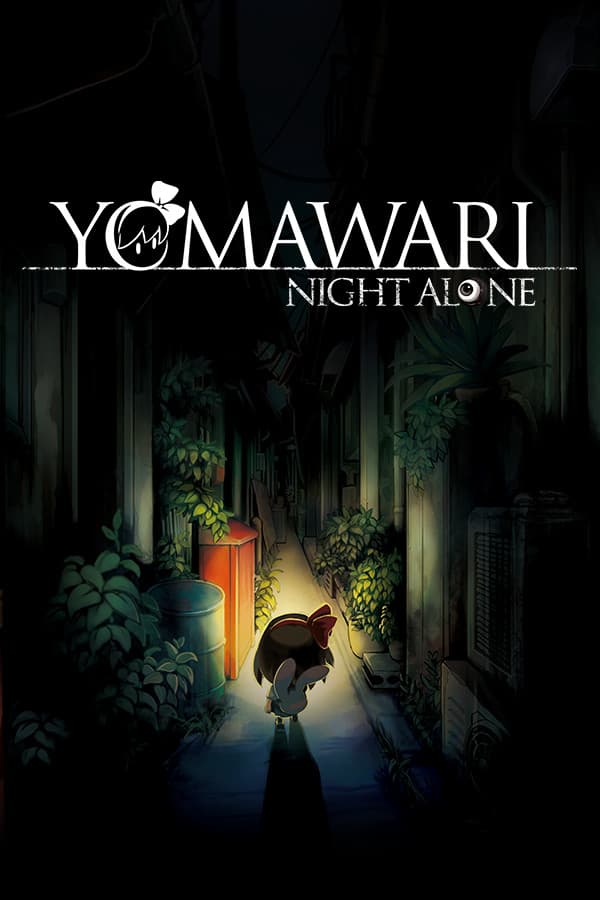
Yomawari: Night Alone
Yomawari creates an unsettling contrast between its adorable chibi art style and its genuinely dark content involving death, loss, and yokai. The opening moments are particularly shocking and set the tone for a deeply atmospheric horror experience.
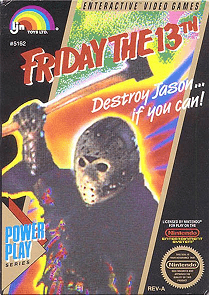
Friday the 13th: The Game
Its horror is classic slasher dread translated into multiplayer: you never know when Jason is watching, and every noisy action (starting a car, breaking a window, sprinting through the woods) can turn into a death sentence. Even when you’re armed, the power imbalance keeps encounters tense, because survival is usually about stalling and escaping—not winning a fight.
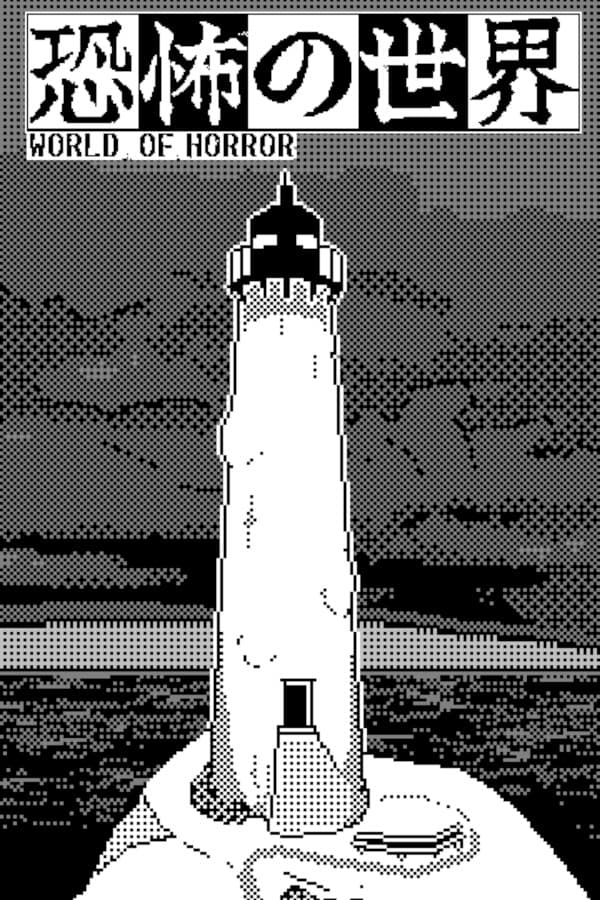
World of Horror
World of Horror's 1-bit art style is paradoxically more disturbing than photorealism. The Junji Ito-inspired body horror imagery rendered in stark black and white sears itself into your memory. The cosmic dread of old gods awakening adds existential weight.
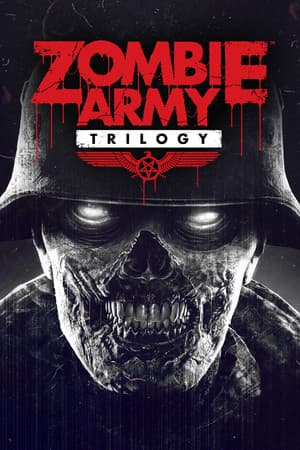
Zombie Army Trilogy
The old-school campaign pacing—dark corridors, sudden waves, and ammo anxiety—turns sniping into survival, especially when a plan falls apart in co-op.
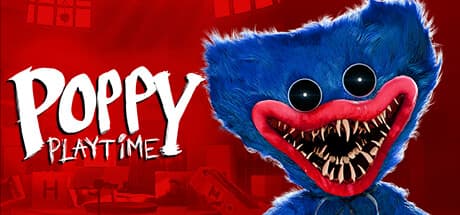
Poppy Playtime
Poppy Playtime creates tension through its contrast of cheerful toy factory aesthetics with the lurking menace of twisted mascot creatures. The GrabPack mechanics add a unique vulnerability, and Huggy Wuggy's pursuit through narrow ventilation shafts delivers genuinely intense chase sequences despite the game's more accessible horror approach. Base game includes Chapter 1; later chapters are sold separately as DLC.
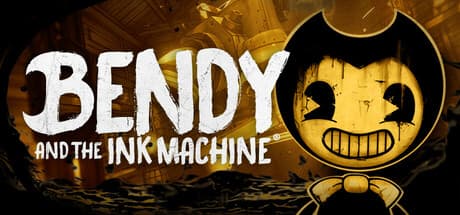
Bendy and the Ink Machine
Bendy and the Ink Machine draws its horror from the uncanny corruption of cheerful 1930s cartoon imagery. The sepia-toned animation studio setting creates a unique atmosphere where familiar cartoon characters become nightmarish ink-dripping monsters. Its episodic structure builds tension across five chapters, with Ink Bendy's appearances growing increasingly threatening as the studio's dark secrets are revealed.
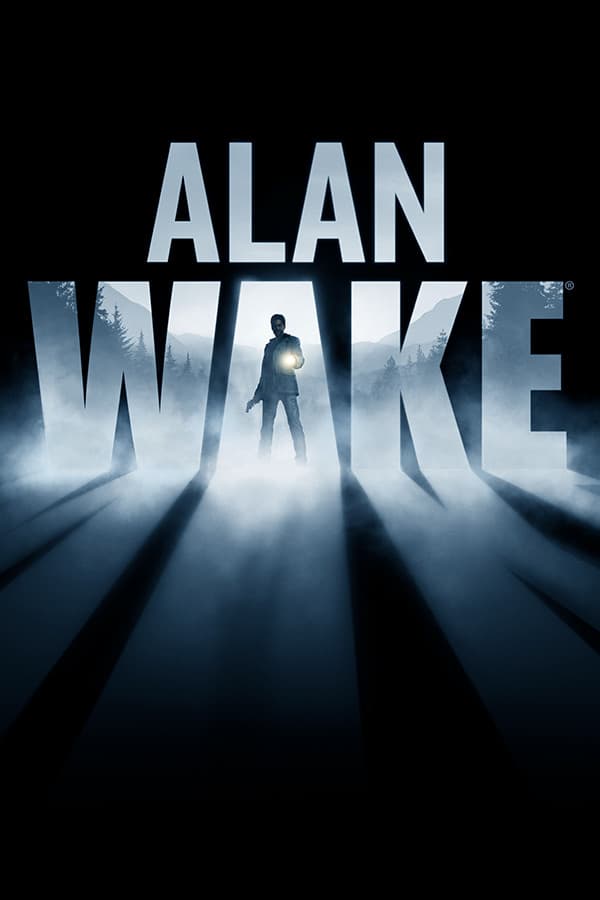
Alan Wake Remastered
Alan Wake's horror comes from the blurring of fiction and reality. The Dark Presence transforms the idyllic Bright Falls into a nightmare where the words Wake writes become terrifyingly real. The episodic structure creates constant cliffhangers that drive tension.
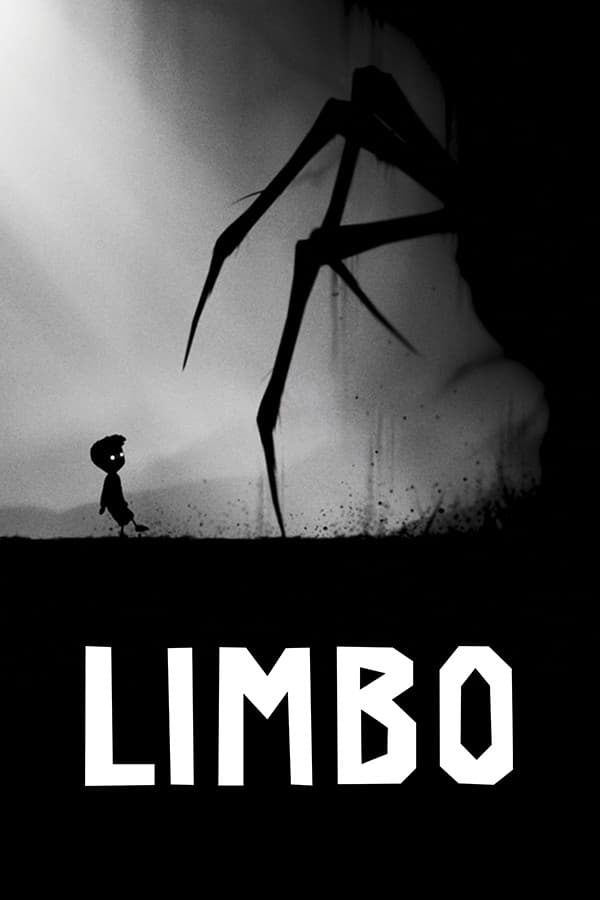
Limbo
Limbo's horror lies in its stark presentation — the pitch-black silhouettes hide threats until it is too late, and the brutal death animations for a child protagonist are shocking. The giant spider encounters and the hostile children create a world that feels actively malevolent.
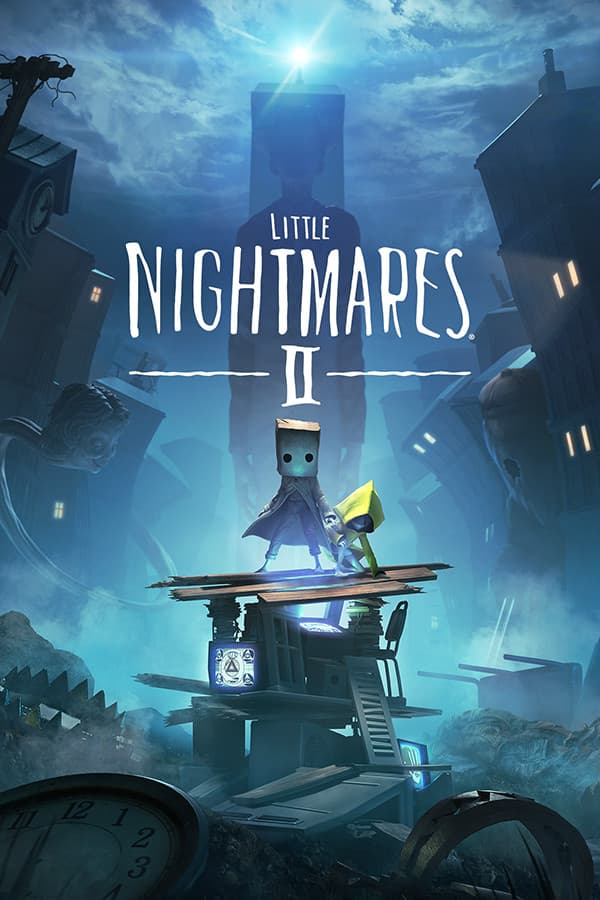
Little Nightmares II
Little Nightmares II's Teacher and Doctor are among gaming's most terrifying antagonists. The school sequence with the porcelain children is deeply unsettling, and the hospital chapter pushes body horror to new extremes. The ending is devastating.
Resident Evil 6
The fear in Resident Evil 6 comes less from quiet dread and more from being overwhelmed—tight chases, infected crowds, and grotesque bio-weapons that force constant movement. Its best horror moments hit when you’re low on resources and the game flips from action blockbuster to claustrophobic survival.
Frequently Asked Questions
What are the best horror games for Nintendo Switch?
Some of the top-rated horror games on Nintendo Switch include Resident Evil Zero, Fatal Frame: Mask of the Lunar Eclipse, Outlast 2. Each game is rated by our community with intensity scores, jump scare ratings, and content warnings to help you choose.
How many horror games are available on Nintendo Switch?
We currently have 52 horror games listed for Nintendo Switch in our database, with new games being added regularly as they release.
How do I find the scariest games on Nintendo Switch?
Use our fear profile system to sort Nintendo Switch horror games by intensity rating. Each game has community-rated scores for overall intensity (1-5) and jump scare frequency, so you can find the scariest games or something more moderate based on your preferences.
Are there free horror games on Nintendo Switch?
Yes, there are free-to-play horror games available on Nintendo Switch. Use our finder tool to filter by price and platform to discover free horror games you can play right now.