
Find Horror Games
Search and filter 62 horror games by genre, platform, and intensity. Find scary games with fear profiles, jump scare ratings, and content warnings.
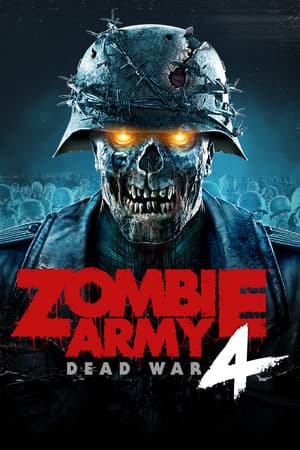
Zombie Army 4: Dead War
It’s schlocky, but the relentless pressure of co-op firefights—plus special enemies and occult bosses—keeps every mission a loud, sweaty panic.

World War Z
The horror is scale: swarms behave like a physics problem, climbing and pouring through choke points until your plan collapses under sheer numbers.
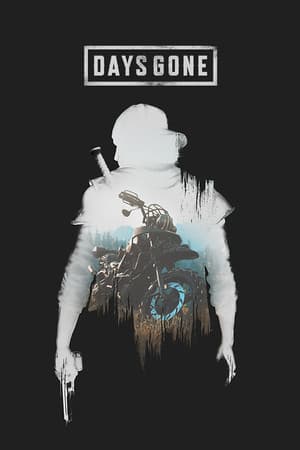
Days Gone
The game’s signature dread is the horde: hundreds of Freakers moving like a living tide, forcing you to plan routes, traps, and escape paths—or get swallowed.
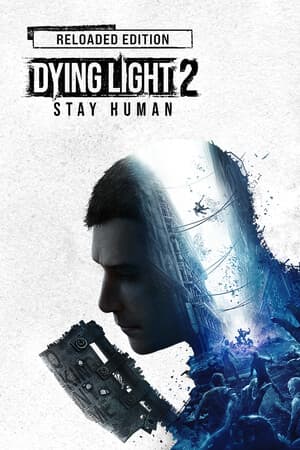
Dying Light 2 Stay Human
Daytime exploration is tense; nighttime is predatory—visibility drops, the infected get faster, and chases can cascade into full survival-horror sprinting across rooftops.
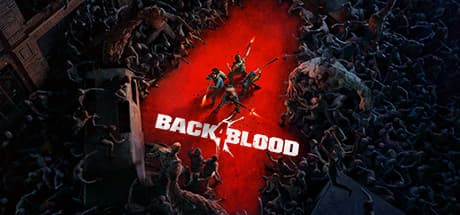
Back 4 Blood
Back 4 Blood’s scares are driven by relentless pressure rather than scripted frights: swarms, special mutations, and surprise hazards force constant movement and fast triage decisions. The Director’s unpredictability makes runs feel unstable—like the game is actively trying to catch you at your worst moment.
Evil Dead: The Game
It’s less slow-burn terror and more 'panic under pressure': the Demon can turn a calm loot run into a sudden ambush, possessions make safe areas feel unsafe, and fear mechanics punish hesitation. The constant threat of a momentum swing—one downed teammate becoming a team wipe—keeps matches tense even when the tone is splattery and over-the-top.

Dead Island 2
Dead Island 2 trades slow dread for relentless proximity horror: shambling bodies turning into sudden lunges, cramped interiors that amplify panic, and grotesque “biomechanical” mutation designs. The gore is so detailed it becomes its own form of discomfort—like the game is daring you to look away.
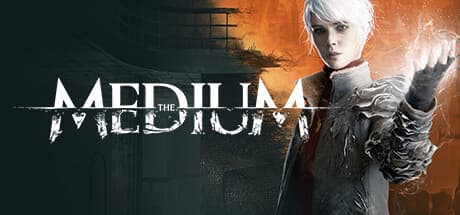
The Medium
The Medium’s horror comes from living in two places at once. Seeing a decayed “real” space alongside a nightmarish spirit reflection makes every room feel unsafe, because there is no single reality you can rely on. The resort setting is drenched in melancholy and dread, and the game builds fear through oppressive sound design, grotesque imagery, and the constant sense that something is stalking you just out of frame. It’s slow-burn psychological horror that leans on atmosphere more than jump scares.
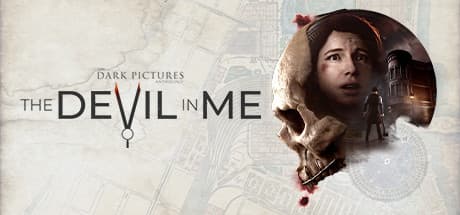
The Dark Pictures Anthology: The Devil in Me
The Devil in Me is scary in a very specific way: it’s less about ghosts and more about being hunted inside a space designed to control you. The hotel’s architecture becomes the monster — hidden passages, locked doors, and traps that punish curiosity. You’re constantly forced to choose between splitting up or sticking together, taking risks for clues or playing it safe, and the consequences feel brutally final because the cast can be eliminated at any time.
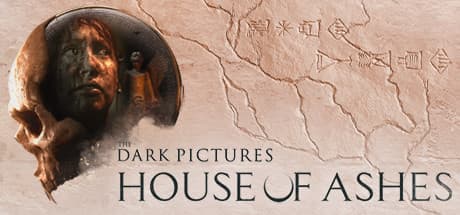
The Dark Pictures Anthology: House of Ashes
House of Ashes turns the fear dial by trapping you underground with limited information, rising panic, and something predatory in the shadows. The darkness matters — tunnels collapse behind you, choices split the group, and every loud mistake risks drawing attention. Because the story branches hard, the tension comes from knowing that survival is not guaranteed for anyone: trust, timing, and tiny decisions can decide who makes it out.
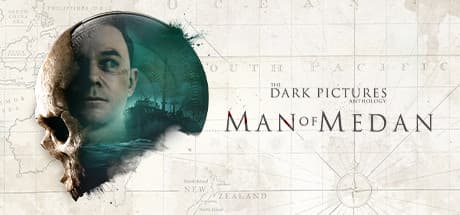
The Dark Pictures Anthology: Man of Medan
Man of Medan is scary because it weaponizes uncertainty: the ship is a maze of locked rooms, creaking hulls, and half-seen shapes in the dark, and the story constantly asks whether the characters are facing something supernatural or something far more human. Every major scare is tied to a decision — hesitate, trust the wrong person, or panic during a QTE, and a character can die permanently. That makes the dread feel personal: you are not watching people make bad horror-movie choices — you are making them.
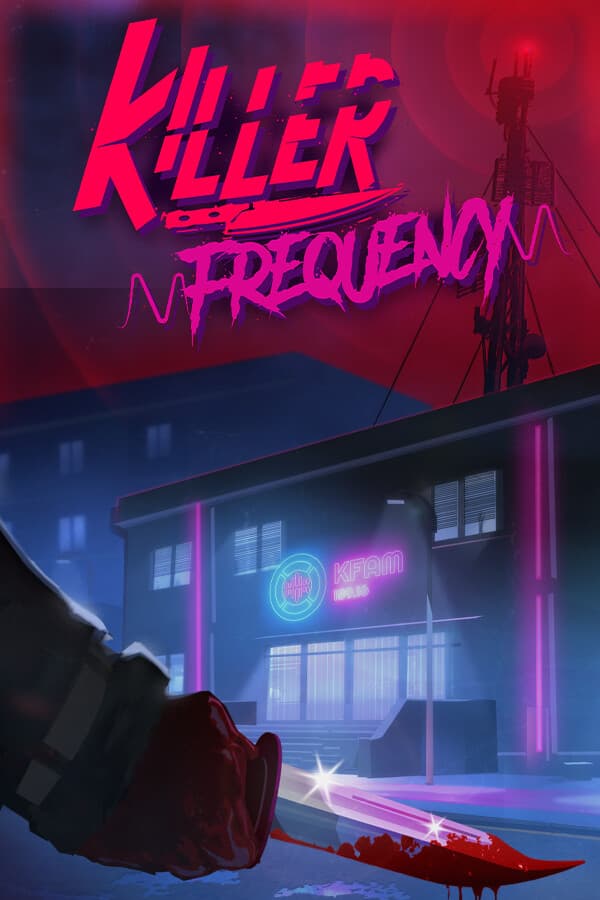
Killer Frequency
The killer isn't in your room... at first. The fear comes from trying to save people with partial information, under time pressure, while a slasher closes in. Every wrong instruction feels personal, and the cozy late-night radio vibe makes the violence hit harder when it breaks through.
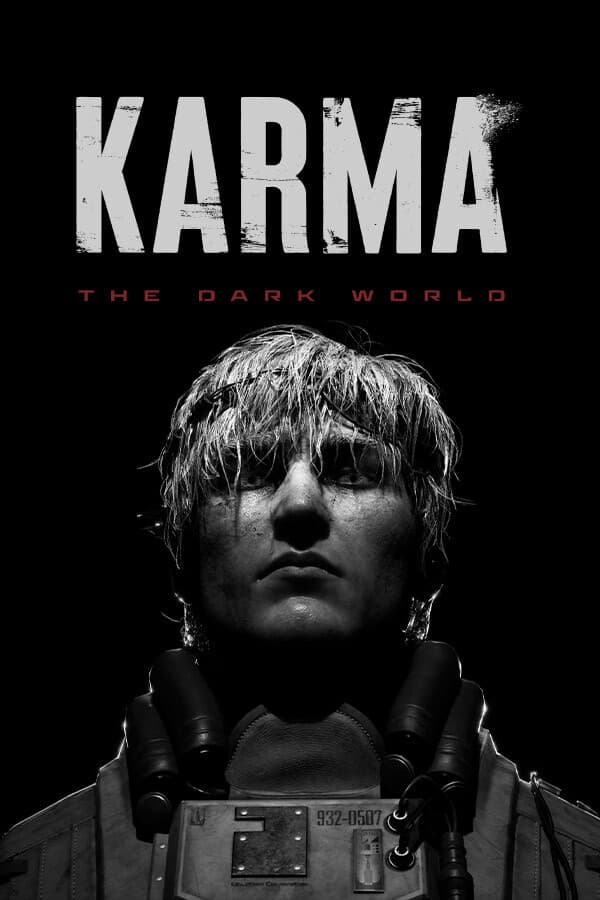
KARMA: The Dark World
Instead of relying on constant jump scares, it weaponizes uncertainty: you're never fully sure what's real, what's memory, and what's manipulation. The dystopian setting adds a cold, bureaucratic menace, and the memory-diving sequences lean into surreal imagery that feels like a nightmare pretending to be an investigation.
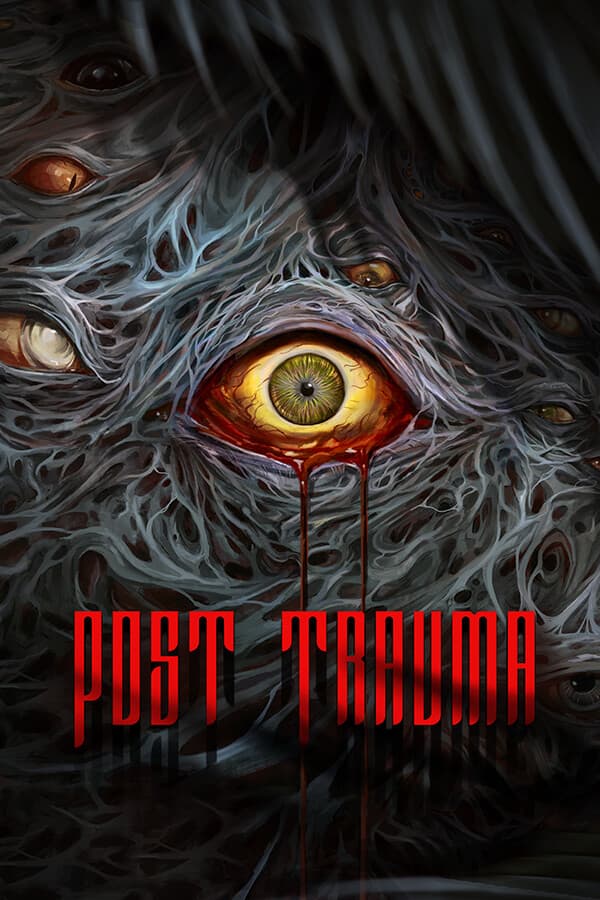
Post Trauma
Fixed camera angles are basically a horror superpower: the game controls what you can see, so threats can stay just outside the frame until they're suddenly not. Add puzzle pressure, oppressive audio, and a shifting surreal world, and you get a constant feeling that the environment itself is setting you up.
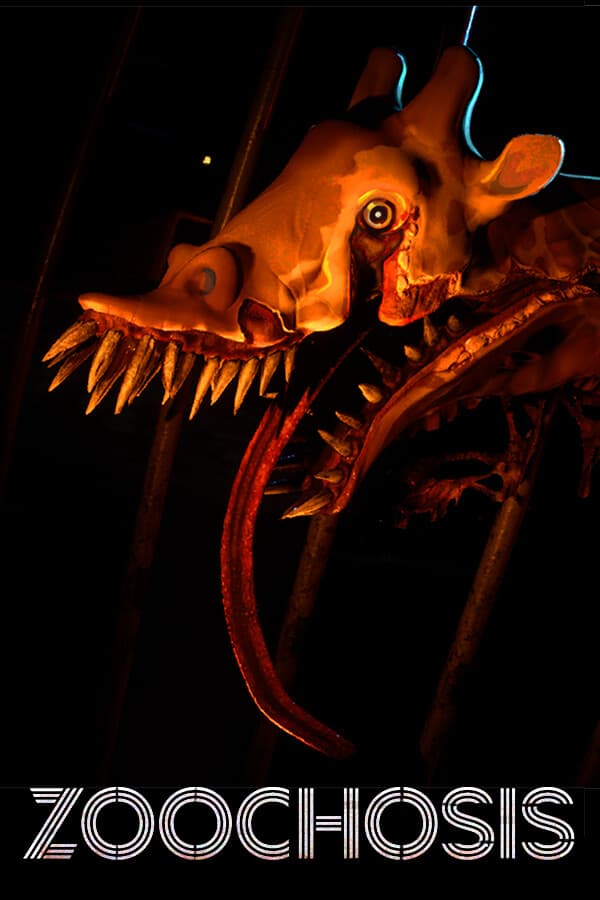
Zoochosis
The bodycam perspective turns every corridor into a tunnel of vision-exactly what you don't want when something big is moving nearby. The horror isn't just the creatures; it's the pressure of triage: deciding what to do, who to cure, and how much risk you can take before the zoo becomes a slaughterhouse.
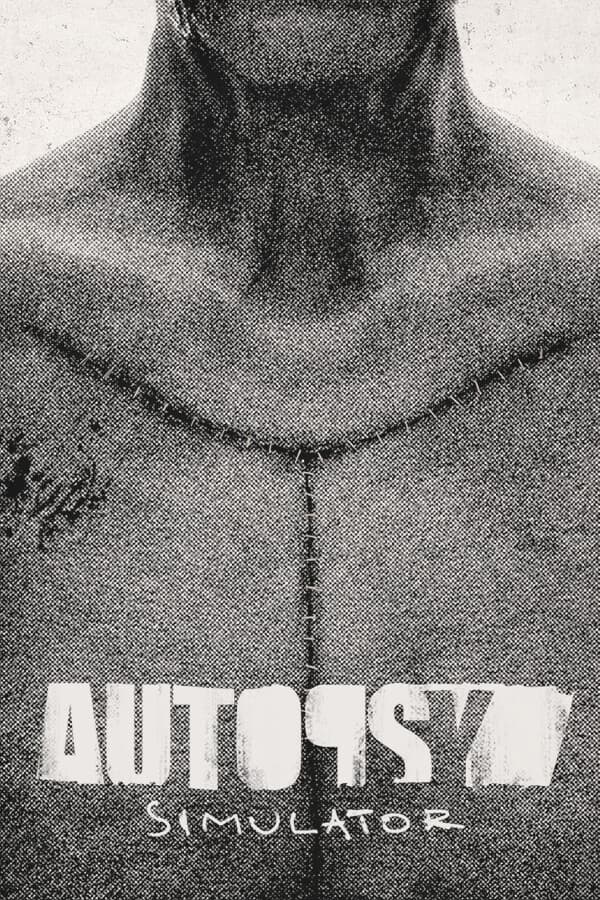
Autopsy Simulator
It leans hard into uncomfortable realism: you're inches away from detailed organs, injuries, and corpses, following case notes step-by-step with the pressure of 'getting it right.' The horror works because the mundane procedure never lets you relax-then the story mode layers in unsettling psychological beats that make every new body feel like a threat.
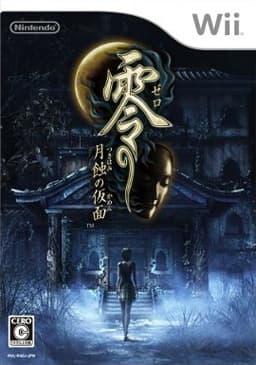
Fatal Frame: Mask of the Lunar Eclipse
The series' core tension is still here: you have to face ghosts directly and wait for the right moment, which makes every encounter feel like standing your ground in a bad place.

Crisol: Theater of Idols
Religious iconography, body-horror aesthetics, and close-quarters first-person combat can create a uniquely intimate kind of fear -- where you're forced to stare at the nightmare while fighting for space to breathe.

SLEEP AWAKE
It builds terror from an unavoidable human need -- sleep -- and turns it into a countdown. The surreal presentation and paranoia-heavy premise make every moment feel unstable, like the world is slipping out from under you.

REVEIL
REVEIL is scary in the way a nightmare is scary: the world keeps making emotional sense even when it stops making logical sense. Environments shift without permission, clues twist into contradictions, and you can't fully trust your own memories. That uncertainty - never knowing what's real - is the game's sharpest monster.

Luto
Luto is a first-person psychological horror narrative experience about grief, isolation, and the feeling of being unable to move on. Trapped in a home that refuses to let you leave, you explore shifting spaces, unsettling memories, and surreal sequences that blur the line between reality and nightmare. It's a story-driven horror game built to unnerve you emotionally as much as it scares you.

Pneumata
Pneumata is a first-person survival horror game set inside Clover Hill, a grim apartment building where tenants are vanishing and blood seeps through the walls. Playing as a detective, you investigate crime scenes, piece together clues, and fight to survive as reality fractures into something far worse. It blends psychological horror, investigation, and tense resource-limited survival.

The Sinking City 2
The Sinking City 2 is a third-person Lovecraftian survival horror game set in a twisted 1920s version of the United States, centered on the flooded city of Arkham. Explore drowned streets and crumbling interiors, scavenge what you can, and fight eldritch threats that warp both body and mind. It shifts the series toward more direct survival horror while keeping its cosmic dread roots.

Killing Floor 3
Killing Floor 3 is a co-op action horror FPS where you and your squad fight through waves of bioengineered monsters known as Zeds. Set in a grim future, it focuses on teamwork, weapon builds, and frantic firefights against increasingly deadly hordes and bosses. It's more adrenaline and gore than slow-burn dread -- but it absolutely earns its 'horror' label through sheer brutality.