
Find Horror Games
Search and filter 52 horror games by genre, platform, and intensity. Find scary games with fear profiles, jump scare ratings, and content warnings.
Zombie Army Trilogy
The old-school campaign pacing—dark corridors, sudden waves, and ammo anxiety—turns sniping into survival, especially when a plan falls apart in co-op.
Zombie Army 4: Dead War
It’s schlocky, but the relentless pressure of co-op firefights—plus special enemies and occult bosses—keeps every mission a loud, sweaty panic.

World War Z
The horror is scale: swarms behave like a physics problem, climbing and pouring through choke points until your plan collapses under sheer numbers.
Call of Cthulhu
The horror is slow, cerebral, and suffocating: the game makes you question what’s real through sanity effects and fragmented clues, while the setting leans on isolation and paranoia. Instead of constant attacks, it builds dread by implying that the truth you’re uncovering is bigger, older, and far less human than you are.
Friday the 13th: The Game
Its horror is classic slasher dread translated into multiplayer: you never know when Jason is watching, and every noisy action (starting a car, breaking a window, sprinting through the woods) can turn into a death sentence. Even when you’re armed, the power imbalance keeps encounters tense, because survival is usually about stalling and escaping—not winning a fight.
DOOM 3
DOOM 3 is basically a haunted house with a shotgun: dim corridors, alarms blaring in the distance, and enemies that love waiting just out of sight. The horror comes from uncertainty—every door you open feels like you’re volunteering to be ambushed in the dark.
Resident Evil: Revelations 2
Revelations 2 balances survival horror scarcity with sudden cruelty—enemies that refuse to die cleanly, oppressive facilities, and a constant sense that someone is watching. Its co-op design can lull you into teamwork comfort, then yank it away with separated characters and low-ammo desperation.
Resident Evil: Revelations
Revelations weaponizes confinement: long, dim hallways, the constant feeling of being trapped at sea, and enemies that love bursting into your personal space. It’s classic Resident Evil dread—door by door, bullet by bullet—where every detour feels like it might be your last.
Resident Evil 6
The fear in Resident Evil 6 comes less from quiet dread and more from being overwhelmed—tight chases, infected crowds, and grotesque bio-weapons that force constant movement. Its best horror moments hit when you’re low on resources and the game flips from action blockbuster to claustrophobic survival.
Resident Evil 5
Even with the heavier action focus, Resident Evil 5 leans on relentless enemy pressure, grotesque parasite mutations, and sudden ambushes in tight indoor spaces. Co-op can make it feel safer—until your partner is low on ammo, you’re juggling inventory under fire, and the game turns every hallway into a panic drill.
Dying Light
Dying Light’s horror lives in the night. The daytime can feel empowering — until the sun drops and the same streets become hunting grounds. The Volatiles are fast, relentless, and dangerous enough that escape becomes the real win condition. Because you’re moving through the city via parkour, the fear is kinetic: missed jumps, dead ends, and exhausted stamina can turn a chase into a brutal, messy death in seconds.
Layers of Fear 2
Layers of Fear 2 is scary because the world refuses to stay stable. Hallways transform mid-step, sets collapse into nightmares, and familiar spaces mutate into something hostile when you look away. The game leans into psychological horror: you’re never sure whether you’re being haunted, losing your mind, or being manipulated by the production itself. That constant instability makes simple exploration feel dangerous — like the environment is waiting for you to blink first.
The Medium
The Medium’s horror comes from living in two places at once. Seeing a decayed “real” space alongside a nightmarish spirit reflection makes every room feel unsafe, because there is no single reality you can rely on. The resort setting is drenched in melancholy and dread, and the game builds fear through oppressive sound design, grotesque imagery, and the constant sense that something is stalking you just out of frame. It’s slow-burn psychological horror that leans on atmosphere more than jump scares.
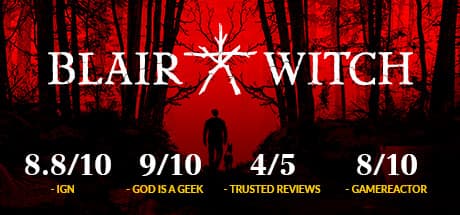
Blair Witch
Blair Witch taps into primal “lost in the woods” fear and then adds psychological horror on top: unreliable perception, looping paths, and sudden shifts in time make it hard to trust what you’re seeing. The forest is oppressive and disorienting, and the way the game uses sound, darkness, and your dog’s reactions turns quiet moments into sustained dread. It’s the kind of horror where the scariest thing is often what you can’t see — until it’s right behind you.
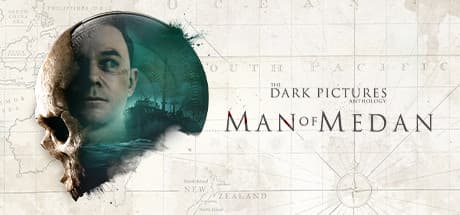
The Dark Pictures Anthology: Man of Medan
Man of Medan is scary because it weaponizes uncertainty: the ship is a maze of locked rooms, creaking hulls, and half-seen shapes in the dark, and the story constantly asks whether the characters are facing something supernatural or something far more human. Every major scare is tied to a decision — hesitate, trust the wrong person, or panic during a QTE, and a character can die permanently. That makes the dread feel personal: you are not watching people make bad horror-movie choices — you are making them.
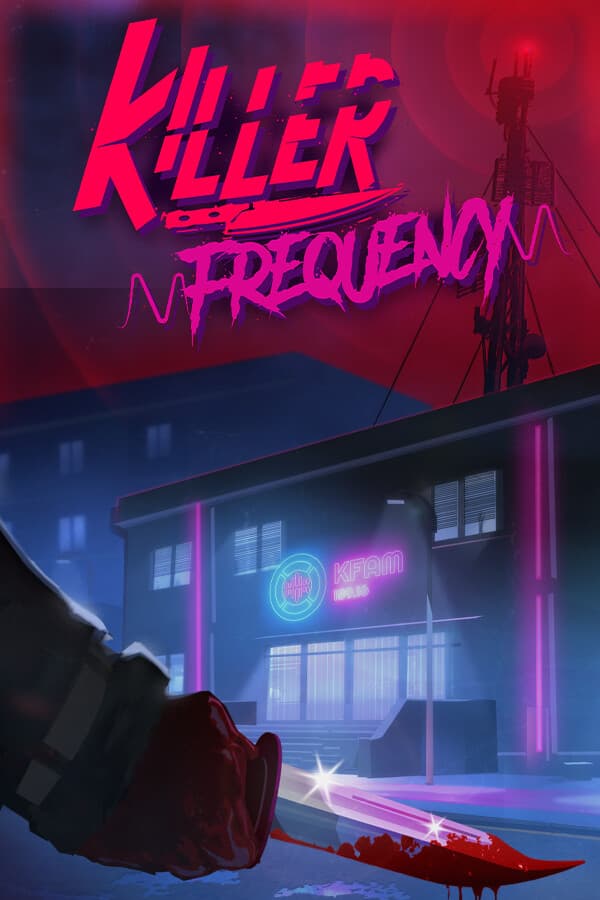
Killer Frequency
The killer isn't in your room... at first. The fear comes from trying to save people with partial information, under time pressure, while a slasher closes in. Every wrong instruction feels personal, and the cozy late-night radio vibe makes the violence hit harder when it breaks through.
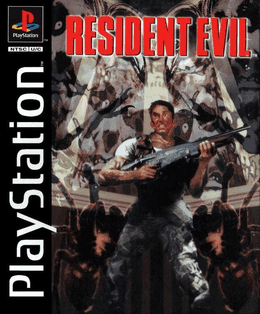
Resident Evil Zero
It is classic Resident Evil tension: constrained space, limited supplies, and enemies designed to punish panic. The two-character system adds pressure when you have to split attention and resources.
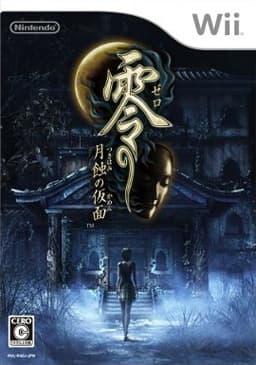
Fatal Frame: Mask of the Lunar Eclipse
The series' core tension is still here: you have to face ghosts directly and wait for the right moment, which makes every encounter feel like standing your ground in a bad place.

Holstin
Holstin is a psychological survival horror game set in late 1992, in an isolated Polish town consumed by a creeping, unnatural presence. Investigate what happened to your friend as you explore decaying streets, interrogate locals, solve puzzles, and fight grotesque manifestations. With a retro presentation and a heavy emphasis on atmosphere, it blends classic survival horror DNA with unnerving modern horror themes.

Sorry We're Closed
Sorry We're Closed is a single-player survival horror game with a neon-soaked, psychedelic aesthetic. You play as Michelle, caught in a supernatural curse, exploring strange urban spaces, talking to unsettling characters, and surviving encounters with demonic threats. It blends classic survival horror pacing with modern storytelling and surreal vibes.

CONSCRIPT
CONSCRIPT is a top-down survival horror game set during World War I. Trapped behind enemy lines, you must navigate a maze of trenches, tunnels, and bunkers while scavenging scarce supplies, solving environmental puzzles, and fighting to survive. Inspired by classic survival horror structure, it pairs tight resource management with grim wartime atmosphere.

MADiSON
MADiSON is a first-person psychological horror game focused on photography, puzzles, and relentless paranormal pressure. Armed with an instant camera, you explore a haunted house as the boundaries between past and present collapse. The camera is not just a gimmick, it is how you uncover clues, trigger events, and sometimes reveal what you absolutely did not want to see. With heavy atmosphere and sudden scares, MADiSON is designed to keep you anxious even when nothing is happening.

The Bridge Curse 2: The Extrication
The Bridge Curse 2: The Extrication is a story-driven survival horror game rooted in Taiwanese urban legends. Set on the campus of Wen Hua University, it follows multiple characters pulled into a night of ghost stories, cursed rituals, and a malevolent presence that turns familiar hallways into a trap. You will explore, solve puzzles, and sneak past supernatural threats as the narrative shifts perspectives.

The Mortuary Assistant
The Mortuary Assistant is a first-person horror game that mixes a grounded mortuary job simulator with escalating demonic hauntings. You play as a newly licensed mortician, embalming bodies and completing procedures, but the night shift quickly becomes a test of composure when supernatural events start breaking reality. With randomized scares, investigative clues, and multiple outcomes, it turns routine tasks into a nerve-shredding ritual.