
Find Horror Games
Search and filter 80 horror games by genre, platform, and intensity. Find scary games with fear profiles, jump scare ratings, and content warnings.
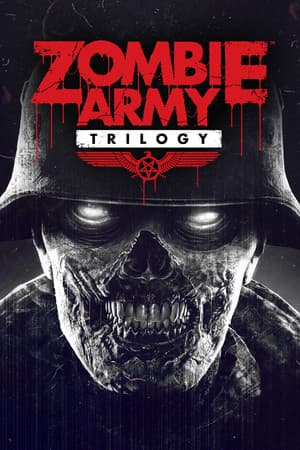
Zombie Army Trilogy
The old-school campaign pacing—dark corridors, sudden waves, and ammo anxiety—turns sniping into survival, especially when a plan falls apart in co-op.
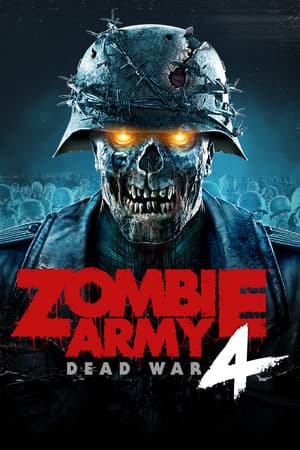
Zombie Army 4: Dead War
It’s schlocky, but the relentless pressure of co-op firefights—plus special enemies and occult bosses—keeps every mission a loud, sweaty panic.
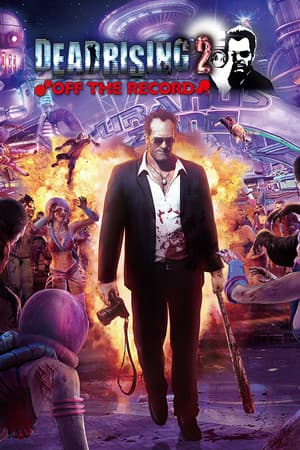
Dead Rising 2: Off the Record
It’s a comedy of errors with teeth: the timer and rescue pressure push you into messy fights where getting grabbed at the wrong moment can domino into failure.

World War Z
The horror is scale: swarms behave like a physics problem, climbing and pouring through choke points until your plan collapses under sheer numbers.
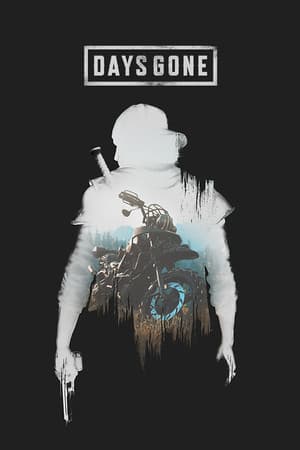
Days Gone
The game’s signature dread is the horde: hundreds of Freakers moving like a living tide, forcing you to plan routes, traps, and escape paths—or get swallowed.
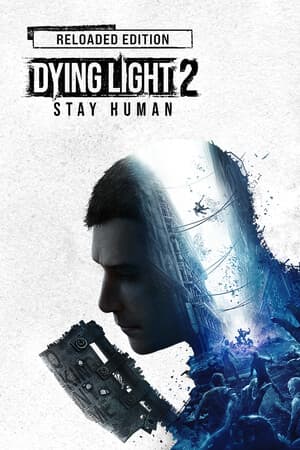
Dying Light 2 Stay Human
Daytime exploration is tense; nighttime is predatory—visibility drops, the infected get faster, and chases can cascade into full survival-horror sprinting across rooftops.
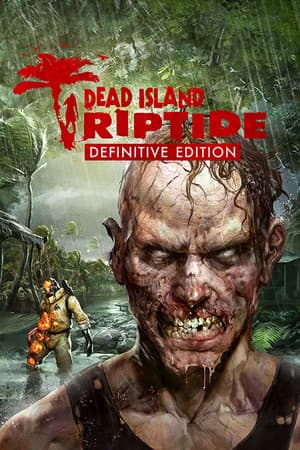
Dead Island: Riptide
The fear comes from the basics: tight spaces, sudden infected rushes, and the constant risk of getting cornered while your stamina and weapon durability fall apart.
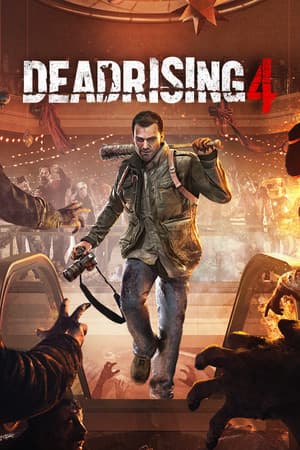
Dead Rising 4
It leans into action-comedy, but the sheer density of infected, brutal dismemberment, and "nowhere is safe" mall layouts still deliver panic-button zombie horror.
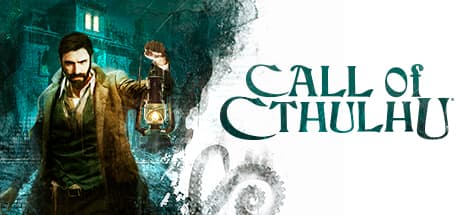
Call of Cthulhu
The horror is slow, cerebral, and suffocating: the game makes you question what’s real through sanity effects and fragmented clues, while the setting leans on isolation and paranoia. Instead of constant attacks, it builds dread by implying that the truth you’re uncovering is bigger, older, and far less human than you are.
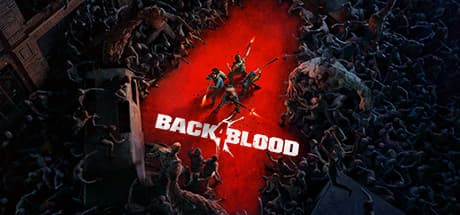
Back 4 Blood
Back 4 Blood’s scares are driven by relentless pressure rather than scripted frights: swarms, special mutations, and surprise hazards force constant movement and fast triage decisions. The Director’s unpredictability makes runs feel unstable—like the game is actively trying to catch you at your worst moment.
Evil Dead: The Game
It’s less slow-burn terror and more 'panic under pressure': the Demon can turn a calm loot run into a sudden ambush, possessions make safe areas feel unsafe, and fear mechanics punish hesitation. The constant threat of a momentum swing—one downed teammate becoming a team wipe—keeps matches tense even when the tone is splattery and over-the-top.
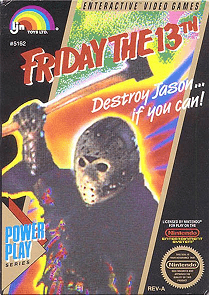
Friday the 13th: The Game
Its horror is classic slasher dread translated into multiplayer: you never know when Jason is watching, and every noisy action (starting a car, breaking a window, sprinting through the woods) can turn into a death sentence. Even when you’re armed, the power imbalance keeps encounters tense, because survival is usually about stalling and escaping—not winning a fight.
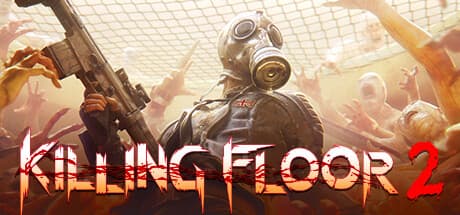
Killing Floor 2
Killing Floor 2 isn’t about quiet dread—it’s about being ground down by increasingly vicious waves. The horror is visceral and immediate: screeching enemies sprinting at you, gore painting the floor, and the constant knowledge that one missed reload can wipe the entire team.
DOOM 3
DOOM 3 is basically a haunted house with a shotgun: dim corridors, alarms blaring in the distance, and enemies that love waiting just out of sight. The horror comes from uncertainty—every door you open feels like you’re volunteering to be ambushed in the dark.
Dead Rising 2
Dead Rising 2 is horror by attrition: dense crowds, tight corridors, and the constant risk of being cornered while you’re juggling objectives. The game’s humor doesn’t remove fear—it masks it, turning every “this is ridiculous” moment into a reminder that you’re still one mistake away from getting torn apart.
Dead Rising
The mall should be safe, familiar, brightly lit—then it becomes an endless maze of bodies. Dead Rising’s fear is the math of bad decisions: the clock keeps ticking, survivors keep dying, and every wrong turn becomes a suffocating crush of undead you can’t fully control.

Dead Island 2
Dead Island 2 trades slow dread for relentless proximity horror: shambling bodies turning into sudden lunges, cramped interiors that amplify panic, and grotesque “biomechanical” mutation designs. The gore is so detailed it becomes its own form of discomfort—like the game is daring you to look away.
Dead Island
Dead Island’s horror is the grind of survival in a place that should be paradise: dead bodies in pools, infected sprinting through hotel corridors, and the constant threat of being swarmed when your weapon breaks. It’s less about scripted scares and more about the brutal, bloody unpredictability of a world that has already lost.
Resident Evil: Revelations 2
Revelations 2 balances survival horror scarcity with sudden cruelty—enemies that refuse to die cleanly, oppressive facilities, and a constant sense that someone is watching. Its co-op design can lull you into teamwork comfort, then yank it away with separated characters and low-ammo desperation.
Resident Evil: Revelations
Revelations weaponizes confinement: long, dim hallways, the constant feeling of being trapped at sea, and enemies that love bursting into your personal space. It’s classic Resident Evil dread—door by door, bullet by bullet—where every detour feels like it might be your last.
Resident Evil 6
The fear in Resident Evil 6 comes less from quiet dread and more from being overwhelmed—tight chases, infected crowds, and grotesque bio-weapons that force constant movement. Its best horror moments hit when you’re low on resources and the game flips from action blockbuster to claustrophobic survival.
Resident Evil 5
Even with the heavier action focus, Resident Evil 5 leans on relentless enemy pressure, grotesque parasite mutations, and sudden ambushes in tight indoor spaces. Co-op can make it feel safer—until your partner is low on ammo, you’re juggling inventory under fire, and the game turns every hallway into a panic drill.
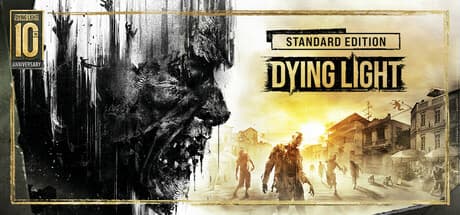
Dying Light
Dying Light’s horror lives in the night. The daytime can feel empowering — until the sun drops and the same streets become hunting grounds. The Volatiles are fast, relentless, and dangerous enough that escape becomes the real win condition. Because you’re moving through the city via parkour, the fear is kinetic: missed jumps, dead ends, and exhausted stamina can turn a chase into a brutal, messy death in seconds.
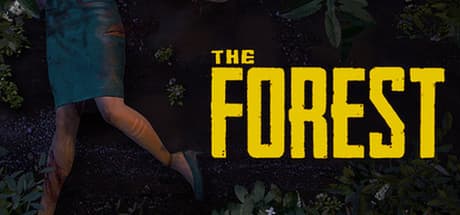
The Forest
The Forest is terrifying because it mixes long-term survival stress with sudden, animalistic violence. You spend hours building a home and learning the island — and then night falls, torches flicker, and you hear chanting in the trees. The cannibals don’t behave like scripted zombies; they watch, circle, test your defenses, and attack when you’re weakest. Add pitch-black caves, scarce supplies, and grotesque mutations, and the game becomes a sustained dread machine.