
Best Japanese Horror Games
The best Japanese horror games featuring the unique J-horror style. From Fatal Frame to modern indie J-horror, experience the unsettling dread that defines Japanese horror gaming.
Why players search for best japanese horror games
The best Japanese horror games featuring the unique J-horror style. From Fatal Frame to modern indie J-horror, experience the unsettling dread that defines Japanese horror gaming. Standout picks currently include The Bathhouse | Restored Edition, Forbidden Siren 2, Siren.
Use the fear profiles, jump scare data, and content warnings on each game card to narrow the list quickly and find a match for your scare tolerance, preferred platform, and style of horror.
How we rank these games
- Community intensity ratings surface the scariest entries first.
- Jump scare and content-warning data separate dread from pure shock value.
- Fresh platform and release details keep the list useful for players in 2026.
Ranked Picks
This page currently features 12 ranked entries for best japanese horror games, ordered to help you compare atmosphere, jump scares, and overall fear profile at a glance.

The Bathhouse | Restored Edition
Chilla's Art specializes in slow-burn discomfort: familiar places, everyday work, and tiny wrong details that snowball into full-on terror. It's the horror of noticing you're not alone -- too late.

Forbidden Siren 2
Forbidden Siren 2 expands on everything that made the original terrifying. The Yamibito are even more unsettling than the Shibito, and the island setting creates an inescapable atmosphere. The interconnected narrative across timelines adds layers of cosmic dread.

Siren
Also known as Forbidden Siren in Europe and Australia. Siren's Shibito are among gaming's most unsettling enemies — undead villagers that mimic daily routines with disturbing wrongness. The sightjacking mechanic, where you see through their eyes and realize they are looking right at you, is uniquely terrifying. Its atmosphere of hopeless dread is unmatched.
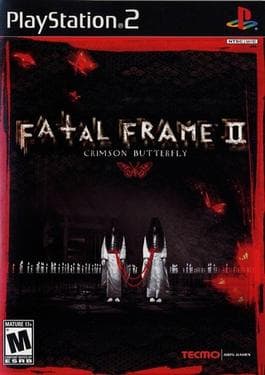
Fatal Frame II: Crimson Butterfly
Fatal Frame II is the gold standard of J-horror gaming. The Lost Village is one of gaming's most atmospheric settings, the twin sisters' bond gives the story emotional weight, and the Crimson Butterfly ritual is genuinely disturbing. The ghost encounters remain some of the most terrifying in gaming history.
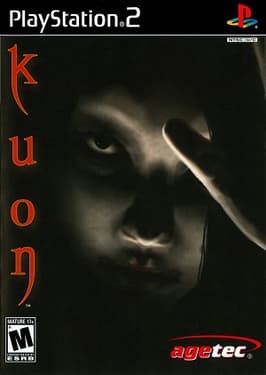
Kuon
Kuon's Heian-era setting gives it a unique horror identity. The silkworm parasites that twist human bodies into grotesque forms are deeply disturbing, and FromSoftware's knack for oppressive atmosphere is on full display. Its rarity has only added to its mystique.
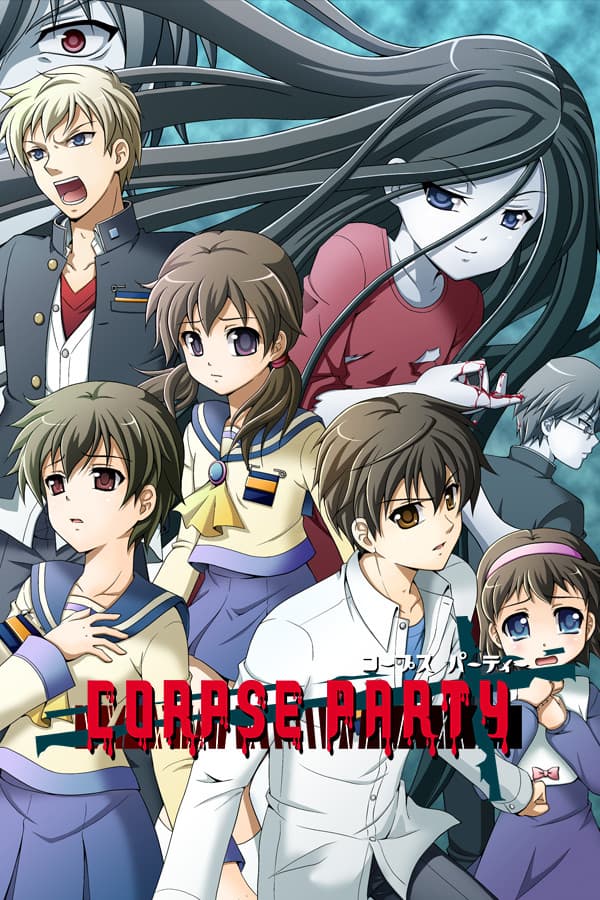
Corpse Party
Corpse Party proves pixel art can be deeply horrifying. Its sound design is phenomenal — meant to be played with headphones — and the wrong endings depict deaths so gruesome they rival any modern horror game. The voice acting sells the terror completely.
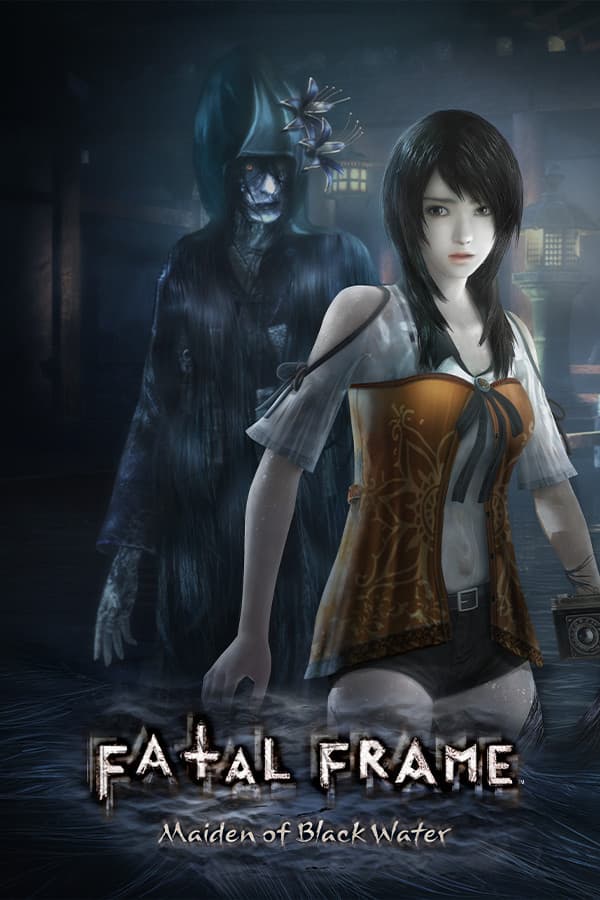
Fatal Frame: Maiden of Black Water
Fatal Frame's Camera Obscura mechanic forces you to look directly at the ghosts to fight them — the closer they get, the more damage you deal but the more vulnerable you become. Maiden of Black Water's rain-soaked mountain setting and Japanese death rituals create an atmosphere of pervasive dread.
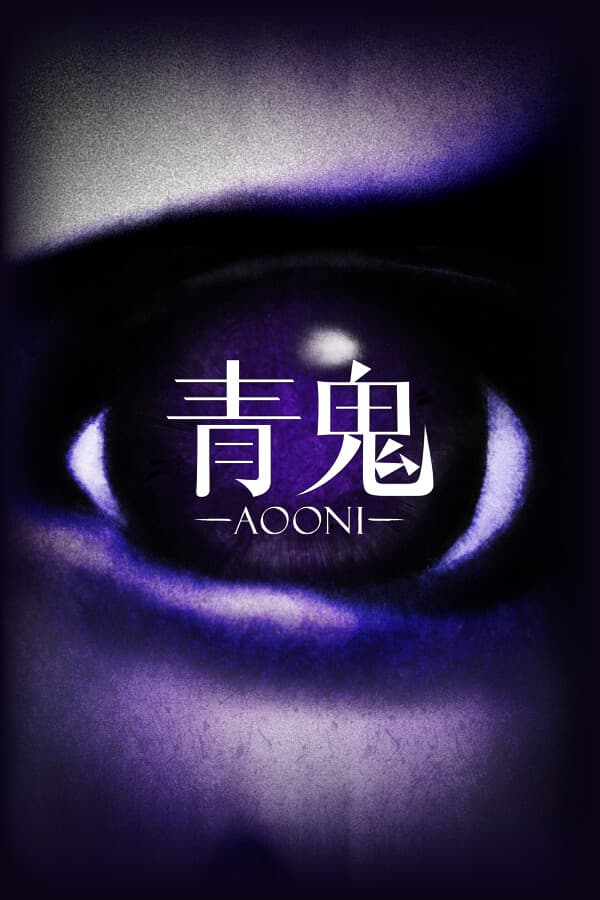
Ao Oni
Ao Oni's simplicity is its strength. The grotesque design of the Ao Oni itself — its bulging eyes and distorted face — is iconic, and its unpredictable appearances while you are focused on puzzles create genuine shock moments.
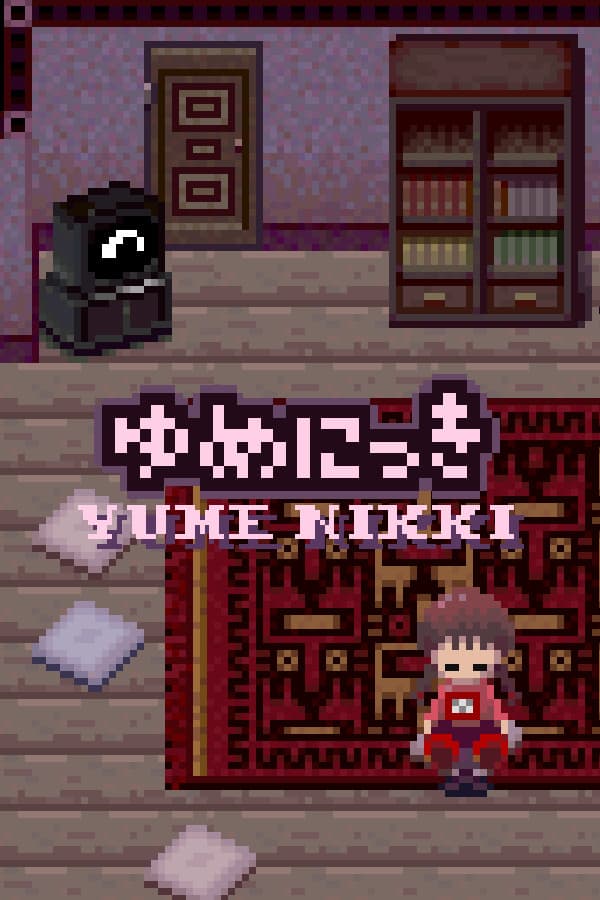
Yume Nikki
Yume Nikki's horror is existential and deeply personal. Its surreal dreamscapes — from an endlessly looping staircase to a face in the desert — feel like peering into someone's disturbed subconscious. The ending recontextualizes everything in the most devastating way possible.
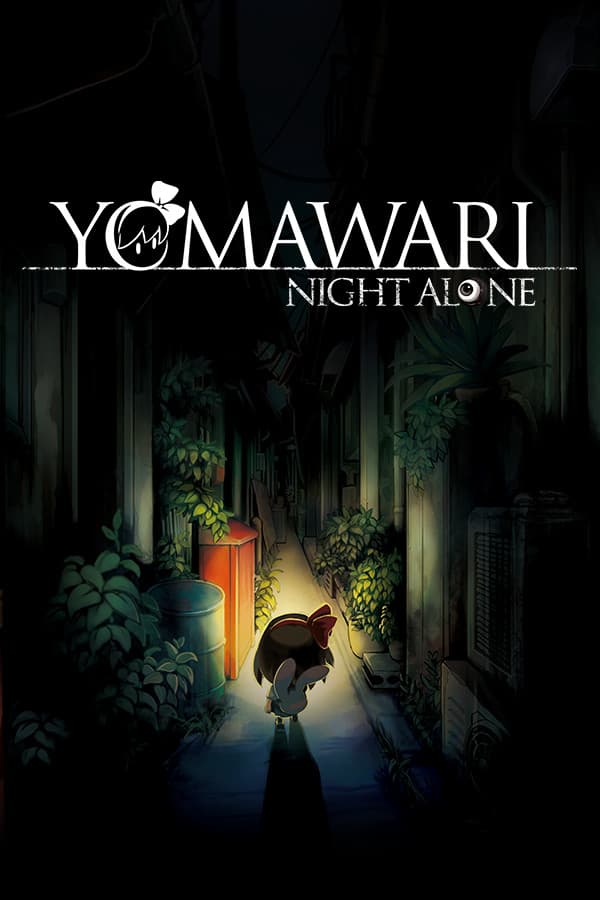
Yomawari: Night Alone
Yomawari creates an unsettling contrast between its adorable chibi art style and its genuinely dark content involving death, loss, and yokai. The opening moments are particularly shocking and set the tone for a deeply atmospheric horror experience.
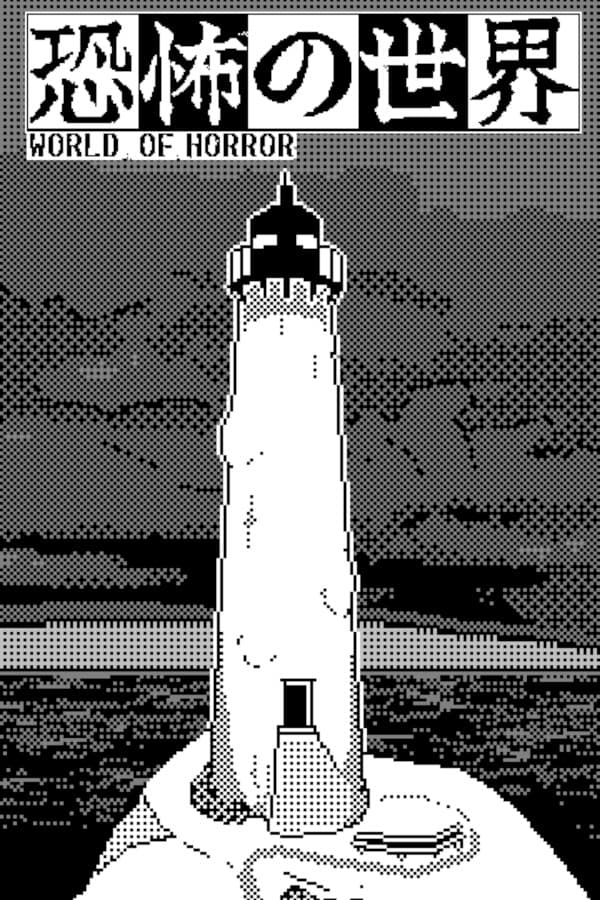
World of Horror
World of Horror's 1-bit art style is paradoxically more disturbing than photorealism. The Junji Ito-inspired body horror imagery rendered in stark black and white sears itself into your memory. The cosmic dread of old gods awakening adds existential weight.
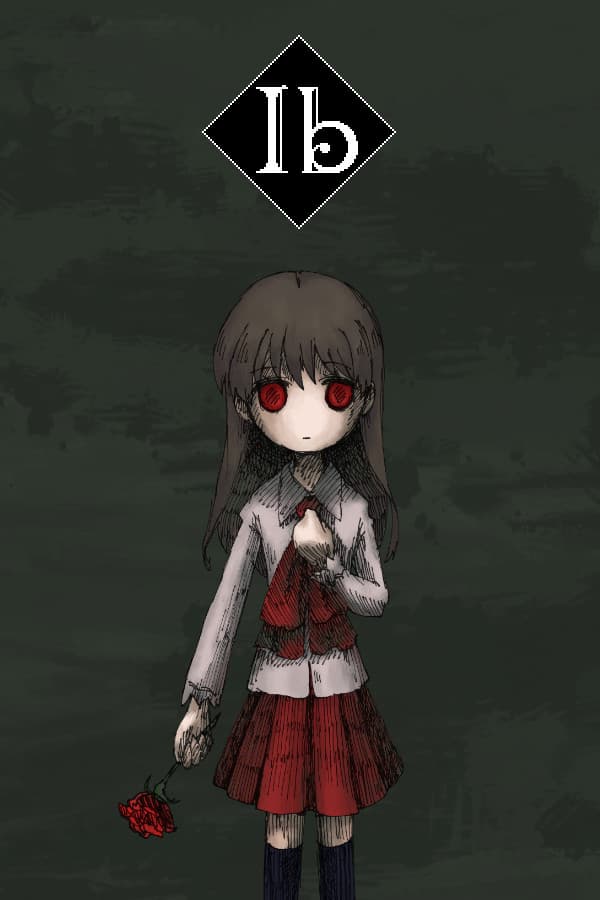
Ib
Ib creates unease through its surreal, dream-logic world where painted ladies step out of frames and sculptures stalk you through galleries. The multiple endings range from bittersweet to deeply disturbing, and the character dynamics add emotional weight to the horror.
Frequently Asked Questions
Japanese horror (J-horror) games draw from Japan's unique horror traditions, emphasizing atmospheric dread, supernatural entities, and psychological unease over gore and jump scares. The style often features ghosts, cursed objects, urban legends, and slow-building tension that leaves lasting unease.
The best Japanese horror games are ranked on this page. Classic J-horror series include Fatal Frame (Project Zero), Silent Hill (made by Konami's Japanese team), and Siren. Modern J-horror continues the tradition with games that blend traditional supernatural themes with contemporary settings.
Japanese horror tends to focus on atmosphere, supernatural elements, and psychological dread, while Western horror often emphasizes physical threats and survival mechanics. J-horror frequently explores themes of curses, spirits, and folklore. The fear comes from the unknown and the uncanny rather than direct confrontation.
Explore More Horror Games
Overall rankings
Search all games
The best psychological horror games that mess with your mind...
The best indie horror games from independent developers. Uni...
The most terrifying horror games ever made, ranked by commun...
The best survival horror games featuring resource management...